Acre by Acre, Simi Valley Keeps Redrawing Itself
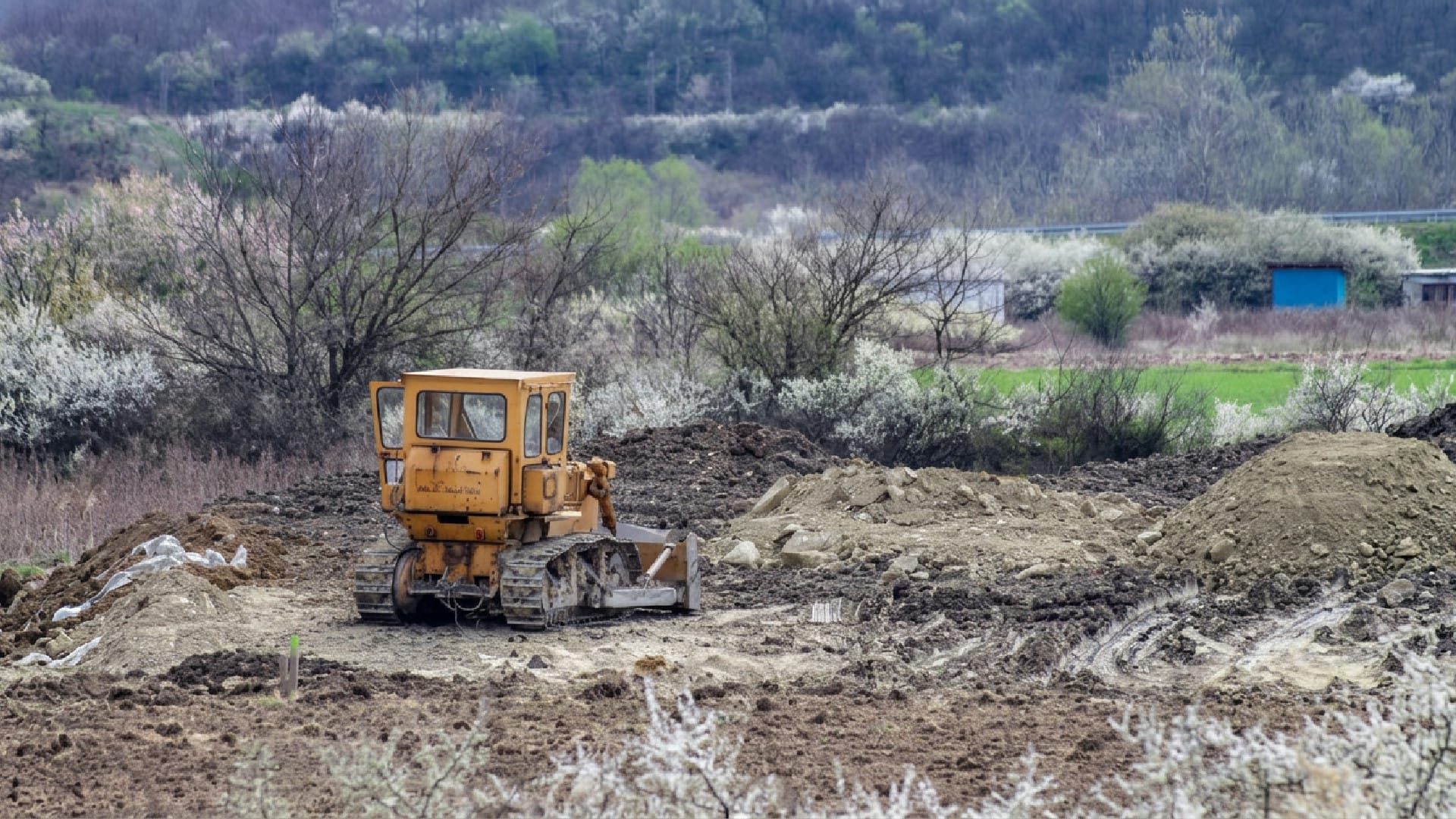
As bulldozers replace open fields and old fairways, residents are left wondering who will actually move into these new homes and whether any of it eases a housing crisis that touches families across the valley.
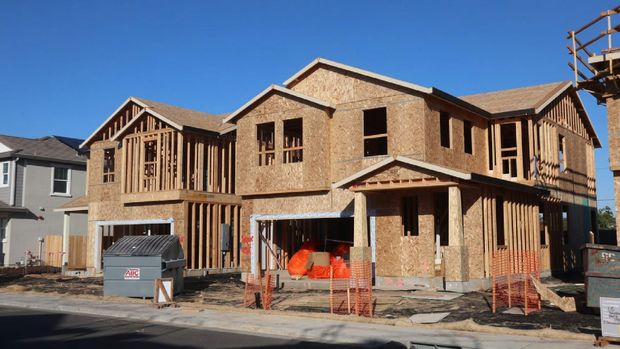
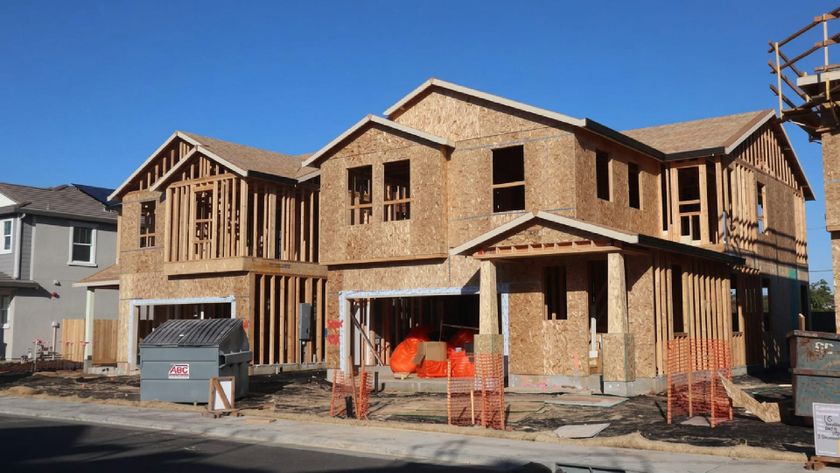
(CLAIR | Simi Valley, CA) — Simi Valley is in the middle of a growth cycle, and the North Canyon Ranch project is among the latest proposed developments, this one with the added twist of annexation attached to it. Projects big and small keep adding up to a city that looks a little different with each approval.
On August 26 at 6:30 p.m., the Planning Commission is set to hold a continued public hearing on North Canyon, a proposal that would annex roughly 160 acres into the city and build 157 single-family homes and 50 multi-family units, along with open space, on land between the northern end of First Street and the intersection of Erringer Road and Falcon Street. The hearing takes place at City Hall Council Chambers, 2929 Tapo Canyon Road, according to the city's notice of continued public hearing.
The housing is only part of what is on the table. Bundled into the same request is the annexation of 437 properties across seven county islands, unincorporated pockets that sit surrounded by the city but have technically remained outside its boundaries for years. Those seven islands are numbered 1 through 5, plus 7 and 8. Two additional islands, numbered 6 and 9, are not part of this annexation, according to the city's notice. The notice does not explain why those two islands are excluded from this round.
If the Planning Commission recommends approval, the matter moves to the City Council, then to the Ventura Local Agency Formation Commission, before anything is final. The applicant is SVJV Partners LLC, and an environmental impact report has been prepared and is available for public review through the city, per the same notice.
Projects like this rarely arrive alone, and Simi Valley has been working through several at once, at different scales. On the larger end sits Lost Canyons, the 364 home project planned for the site of the former Lost Canyons Golf Club off Lost Canyons Drive. The course opened in 2001, struggled for years, and closed for good in 2016. City records show the Planning Commission approved design plans for the housing back in 2020, and the project keeps evolving, most recently with a 2026 modification that shifted dozens of approved lots to the northern portion of the old course while leaving the total unit count unchanged. It is the kind of decision that gets revisited again and again over more than a decade before a single home goes up.
On a more medium scale, the city has also been shaping the Envision Simi Valley Specific Plan, a redevelopment effort focused on the Los Angeles Avenue corridor and the Tapo Street area, according to the city's Envision Simi Valley project materials. Instead of building on open land, that plan works with what already exists, positioning Los Angeles Avenue as a new downtown while restoring Tapo Street's older main street character. It is a smaller footprint than North Canyons or Lost Canyons, but it is still part of the same ongoing pattern of decisions, each one nudging the city toward a different shape, whether through new construction on undeveloped land or redevelopment of what is already built.
Another project in the pipeline involves 60 two-story single-family residences on a 5.7-acre site at 1761, 1801, and 1807 Oak Road. That plan includes three one-bedroom units designated for very low income residents. To view more projects moving through planning, the city maintains an interactive map at https://maps.simivalley.gov/portal/apps/dashboards/05e73e29301345f89e7d8314bdddd877, which shows exact locations and development stages.
The understandable question residents keep raising project after project: does any of this actually solve the housing crunch. California mandates that cities plan for more housing, and local officials are far from alone in feeling squeezed between state requirements and local pushback. But new construction, even when more compact than sprawling estates, often comes with a price tag that puts it out of reach for people earning regular wages.
Young adults trying to get a foothold, anyone who did not buy a home years ago when prices and interest rates were still more manageable, retail and minimum wage workers, people who have lost jobs, and seniors living on fixed incomes are all navigating a cost of living that keeps climbing, from groceries and utilities to gas and rent. Each new project approval adds housing stock, but it does not automatically add housing people can afford, and that gap is what keeps showing up in public comment after public comment.
Developers and their supporters see it differently, and their argument deserves its own weight. Nobody commits tens of millions of dollars to a project like North Canyon Ranch without confidence that people will actually buy or rent what gets built. In a state where demand for housing has outpaced supply for decades, more homes, even at market rate, take some pressure off a system where too many buyers are chasing too few listings. Under that view, projects like this are not the whole answer to affordability, but they are part of it.
The pros and cons of growth were evident when word of the upcoming North Canyon Ranch hearing spread through a community Facebook group. Many commenters worried about wildfire risk in the hillside area, pointing to dry brush and questioning whether fire insurance would even be available. Traffic came up too, with residents saying the valley's roads are already stretched thin from years of incremental approvals. Others focused on affordability, arguing that none of the proposed units would actually be within reach for lower income families. A number of people voiced a broader weariness with the process itself, predicting the project would move forward no matter what residents said, a sentiment that seems to build with each new hearing rather than fade.
Some asked pointed questions about infrastructure, including whether the city plans to add fire stations or police staffing to keep pace with growth, and one person wondered whether the site falls under existing open space protection measures. Not everyone pushed back. A handful of commenters framed the project more favorably, noting that the state is pushing cities to build and that a growing population needs somewhere to live.
Whether residents support the planned North Canyon Ranch development, oppose it, or are still weighing it, the August 26 hearing is another chapter in a decision making process that has been unfolding across the city for years, large projects and medium ones alike, each one shaping what comes next.