Organizations serving lower-income Simi Valley residents have two weeks to register for a federal grant workshop or forfeit their chance at funding.
(CLAIR | Simi Valley, CA) — Nonprofits working with lower-income residents face a hard deadline to register for a mandatory workshop that determines their eligibility for federal grant money. Organizations must sign up by November 30 at 5 p.m. or lose their chance to apply for Community Development Block Grant funding in the 2027-28 cycle.
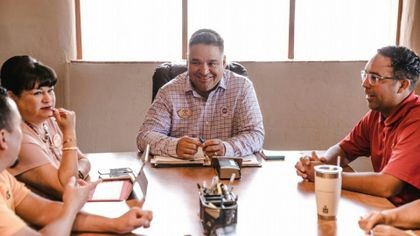
The workshop takes place December 2 at 9 a.m. in the Community Room at City Hall. City Senior Management Analyst Lindsey Scaringe will explain eligibility rules and walk participants through the application process. To register, organizations must email Scaringe at lscaringe@simivalley.org with attendee names and numbers, the organization's name and address, and contact information. The subject line should reference the CDBG application workshop.
The grants come from the U.S. Department of Housing and Urban Development and fund projects that serve residents earning low to moderate incomes. Individual residents cannot apply. Only nonprofits and government organizations that work with people in HUD's income categories are eligible.
The city distributes the money according to a five-year Consolidated Plan approved by the City Council. Applications submitted after the workshop go through public hearings in the spring. Approved projects are listed in the Annual Action Plan, which follows the priorities set in the broader five-year plan.
In 2026, four organizations received funding. Conejo Valley Senior Concerns got $15,000 for senior advocacy services and geriatric care management. Livingston Memorial Visiting Nurse Association received $15,000 for its subsidized care program. Many Mansions was awarded $35,000 for supportive services. The Samaritan Center received $35,904 for case management. The total distributed was $100,904.
At least half of each year's grant allocation goes to the city's Department of Public Works Annual Minor Streets Rehabilitation Program. The City Council approved that policy in July 2013 to cover diminishing government transportation and infrastructure funds and reduced local tax revenue. If other capital improvement projects do not use the remaining 50 percent, the surplus automatically goes to street rehabilitation.
Each September, the city files a Consolidated Annual Performance and Evaluation Report with HUD. The report tracks how the previous year's money was spent and whether funded projects met their goals. The grant cycle follows the same timeline each year, starting with the fall workshop and ending with spring funding decisions. All hearings are open to the public and posted on the city calendar.
Organizations that typically qualify for funding include those working in housing assistance, job training, food access, and family services. The city has not announced how much federal money will be available for the 2027-28 cycle. HUD determines annual allocations based on community need and population data.
Groups can check eligibility or learn more about the program by contacting the Environmental Services Department at 805-583-6749 or visiting simivalley.org/CDBG. The website includes past funded projects, copies of the current Consolidated Plan, and detailed guidelines on what activities qualify for funding.
The registration deadline falls on a Monday, giving organizations less than two weeks to confirm their interest. The workshop itself is held three days later. Missing either the registration window or the workshop session eliminates an organization from consideration for the upcoming funding cycle.