Council pushes ahead on a large project that will reshape the city's northwest edge — and pull reluctant county residents into Simi Valley whether they want to come or not.
(CLAIR | Simi Valley, CA) — The City Council voted 4-1 on November 9 to approve a 207-home development in the city's northwest and begin annexing the project site and seven unincorporated county islands. Councilmember Joseph Ayala was the lone no vote.
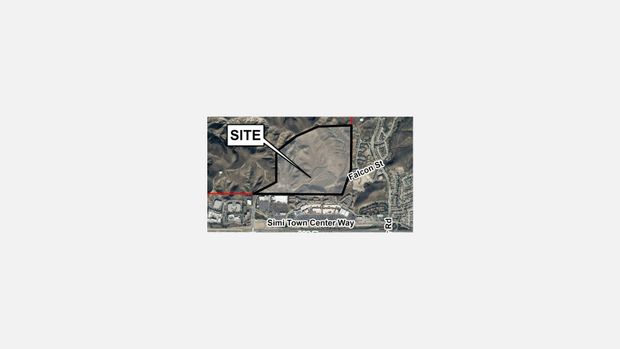
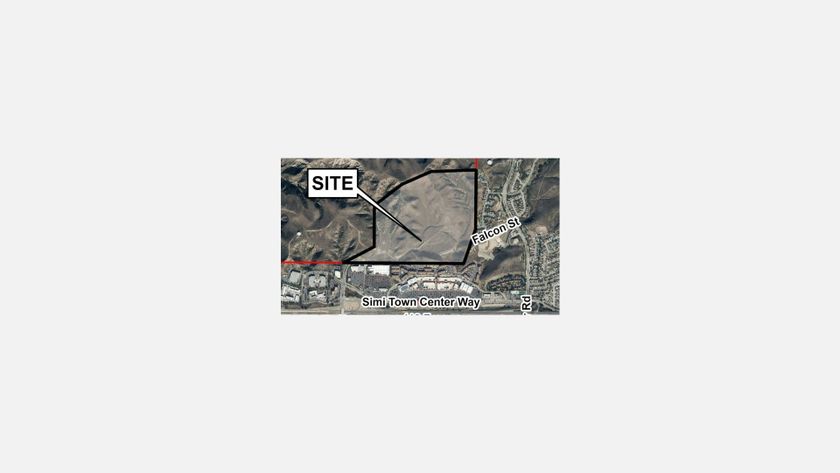
The project, called North Canyon Ranch, would fill about 160 acres between the north end of First Street and the intersection of Erringer Road and Falcon Street with 157 single-family homes and 50 townhomes. About 70 acres would remain open space. The Planning Commission recommended approval in August.
The Ventura Local Agency Formation Commission has final say on the annexations. City staff expects a decision in 2027.
Developer SVJV Partners has been working on the project for two decades, according to Glen Becerra, who represented the applicant at the meeting. He said soil from the Simi Valley Town Center construction was placed on the site years ago in preparation, and that detention basins built then already serve the area.
Becerra said the project would complete the western and southern edge of the Big Sky neighborhood, reduce fire risk, and improve emergency access. He cited a 24-foot-wide fire access road, a 200-foot fuel modification zone around the homes, sprinklers in every unit, and a connection from First Street to Erringer Road that would give Big Sky residents another way out.
The developer would pay about $6.7 million in impact fees to the city and about $1.5 million to the school district. A city analysis projects the project would generate a net annual surplus of about $250,000 before accounting for the cost of annexing the islands. After those costs, the net surplus drops to about $110,000 per year. The applicant is considering making the townhomes senior housing.
Some island residents made clear they do not want to join the city.
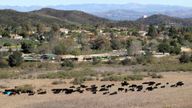
Emily Walker, president of the North Hills homeowners association, urged the council to deny both the project and the annexations. "If built, this project will destroy a beautiful wildlife area," she said. She cited fire danger, water use, and traffic, and added that there is too much development in Simi Valley now.
Walker said island residents want to keep their semi-rural character and their right to keep animals. She said trash service and some permits cost more in the city. One resident said her husband's family has lived in the Sinaloa area since 1960. "We do not want our county to turn into a city," she said.
Changes in state law mean island residents can no longer defeat an annexation through majority opposition.
An attorney for Supporters Alliance for Environmental Responsibility asked the council not to certify the environmental report. The group raised concerns about wildlife, traffic, greenhouse gases, indoor air quality, and farmland. The group says the annexations would allow development on about 13 acres of important farmland, including more than 11 acres of active orchard. The attorney said the city told the group no full state farmland analysis was prepared, only a one-page score sheet.
The city's environmental consultant said the report's biology section runs 64 pages, with 232 pages of appendices, and includes 12 biological mitigation measures. He said the coastal California gnatcatcher, a threatened species, was surveyed under protocol in 2015, 2017, and 2023, and that its presence and breeding habitat are documented.
The city has nine county islands, but only seven are part of the required annexation. Islands 6 and 9 were dropped because of their size and because they are undeveloped, apart from one home on Island 6. The staff report says they must seek annexation on their own for any future development.
Staff and council members spent much of the discussion addressing island residents' concerns.
Anyone allowed to keep livestock under county zoning can continue to do so. Councilmember Elaine Litster said she would support adding protections to grandfather animal keeping if needed. Ayala said no one is taking residents' animals away, and predicted social media would say otherwise within an hour of the vote.
Island residents will not have to connect to sewer unless they undertake major construction. The city will not require streetlights in the islands. Councilmember Dee Dee Cavanaugh said residents would have five years to add a third story to their homes, which the county currently allows but the city does not.
Fire, water, and sewer service stay the same for properties already on the city sewer. Police, code enforcement, planning, and public works shift to the city.
Litster said she lived in an island starting in 2008. She said she worried about waiting on a sheriff's response with city police half a mile away, and that the house she rented with the intent to buy had 10 code violations she would have had to resolve through the county, so she did not buy it. She said she understands residents' concerns but voted to approve the project.
Ayala said his hesitation had nothing to do with the islands. The site is in a very high fire hazard zone, he said, and the fire department signed off on a plan but was not asked whether the city should build there at all. He said the traffic study only accounts for what is being built now, not housing planned at the Town Center and the Lost Canyons project.
The staff report says the traffic memo projects nearby intersections will stay at Level of Service C or better with full buildout of the project and the General Plan.
If the project is not complete within five years of the development agreement and the islands have been annexed, the developer pays an annual fee of up to about $140,000, reduced as homes are completed, and must post security before the island application is filed.
The city must file its LAFCo application for the project site within 90 days of the agreement taking effect, which is 30 days after the ordinance's second reading. The city plans to ask LAFCo to hold the island annexation for up to five years. Becerra said the delay is not guaranteed, but delays are generally granted.
The council will take a second reading of the pre-zoning ordinance at a future meeting.