Serving on a jury is mandatory. Affording to serve is another matter.
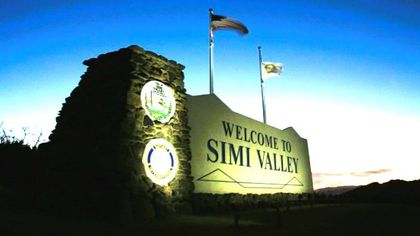
(CLAIR | Ventura County, CA) – Today I was called for jury duty. It was a short stay, over almost as soon as it began, but it left an impression.
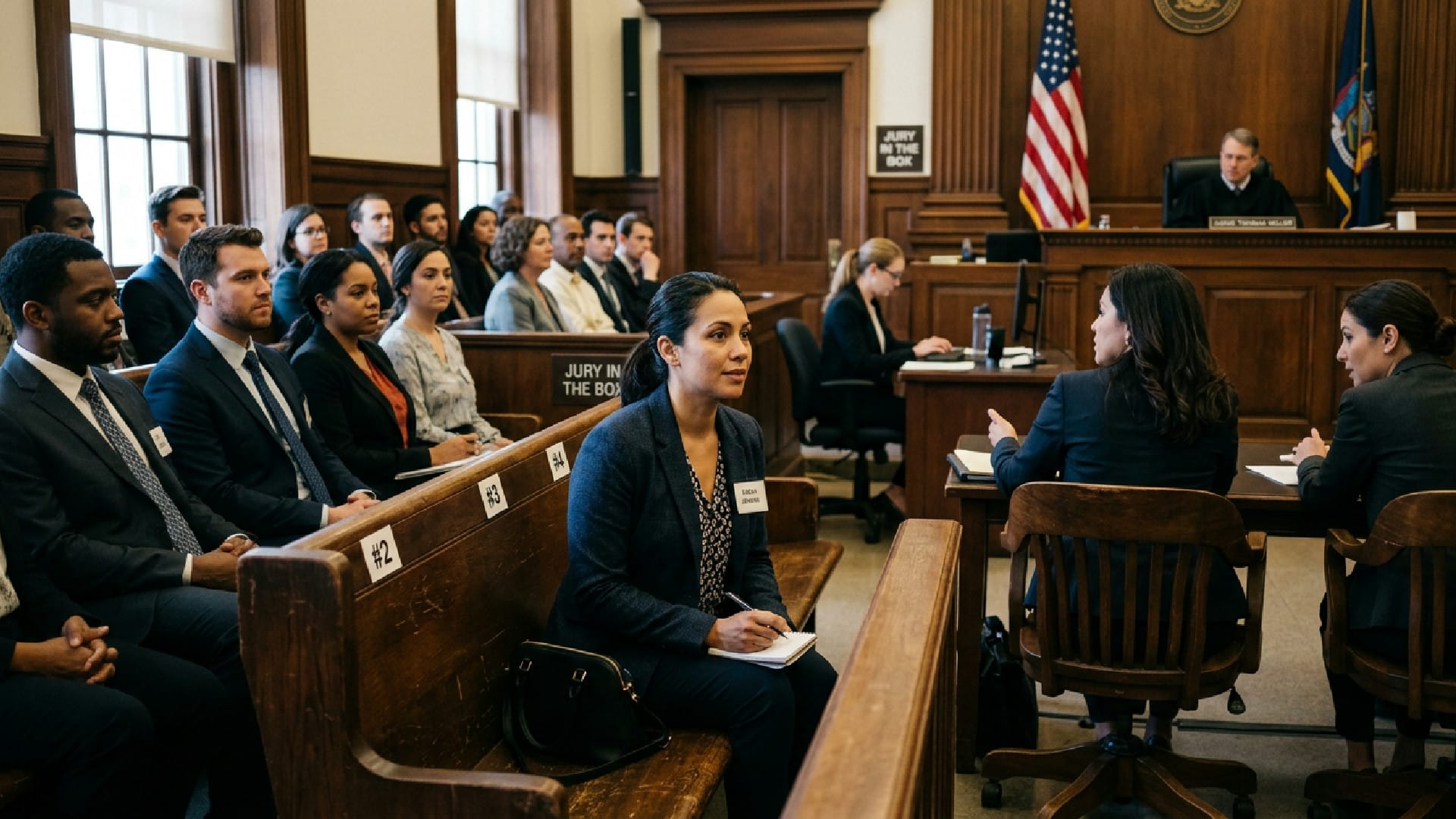
The morning starts in a large assembly room. After checking in and waiting about an hour and a half, the court clerk called the first group of names and sent us outside a specific courtroom. My group numbered more than 50, all of us prospective jurors for a civil case involving an automaker and an individual plaintiff.
Before any questioning begins, prospective jurors are required to swear they will answer truthfully about their qualifications to serve, an admonishment that carries the weight of a perjury warning. According to the California Courts' guide to the trial process, the judge and attorneys then question jurors in a process called voir dire, asking whether they are free of bias or have any other reason they could not be fair and impartial. Jurors who make it through that process and are seated take a second oath, promising to decide the case only on the evidence presented and the judge's instructions on the law, not on anything else.
The judge in my group was direct. He said he understood jury service creates real hardship for nearly everyone in the room, that four weeks is a long commitment, and that most people would rather be anywhere else. He also said what happens in a courtroom is nothing like what people see on television. Jurors don't get to weigh in on what the attorneys argue, only on the evidence. And he made clear that simply not wanting to serve isn't grounds for an excuse. He would hear hardship claims one by one and decide for himself which held up.
I wasn't chosen this time around. But watching the process, and seeing how many people wanted to explain why four weeks wasn't possible for them, raised a bigger question. Why is jury service, something the justice system depends on, still compensated at a rate that makes it nearly impossible for a lot of people to do, even when the law requires it of them?
Jury duty matters. It's one of the few places an ordinary person is handed real authority over another person's liberty or finances and asked to take it seriously. It's also, as the judge reminded our group, an education. Few people ever see a courtroom up close outside of a screen.
But the financial reality of serving is a real obstacle. In Ventura County, as across the rest of the state, jurors are paid $15 a day starting on their second day of service. The first day is unpaid. Mileage is reimbursed at 34 cents a mile, and under state law that reimbursement covers only one leg of the trip to and from the courthouse, not the round trip, according to the Superior Court of Ventura County and California Code of Civil Procedure Section 215.
State law does not require private employers to pay employees for time spent on jury duty. Some employers choose to compensate their people for jury-leave, but plenty of hourly workers, gig workers and small-business employees serve without any income during that stretch. For a one-day summons, that's an inconvenience. For a four-week trial, it can mean real financial strain on top of whatever the employer loses while the employee is out.
For parents of young children, gig workers, the self-employed and others without backup coverage, a multi-week trial can be its own kind of hardship, on top of the lost income.
That $15 rate has not moved since the year 2000. San Francisco tried something different starting in March 2022, launching a pilot called Be The Jury that raised pay to $100 a day for low- and moderate-income jurors in the city. A one-year evaluation released in 2023 by the San Francisco Treasurer's Financial Justice Project found the large majority of participants said they could not have served without the higher stipend, and separate reporting on the program found it measurably increased the economic and racial diversity of the city's juries. The Legislature had already passed Assembly Bill 1981 in September 2022, creating its own two-year statewide pilot that extended the $100-a-day rate to seven additional counties: Alameda, El Dorado, Fresno, Imperial, Monterey, San Bernardino and Shasta. That rollout didn't actually begin until 2024.
That expansion did not last. Gov. Gavin Newsom's May 2025 budget revision cut the funding behind it, and the Judicial Council of California told the participating courts to revert to the standard $15 a day and 34-cent mileage rate, effective that May. The Legislature made it permanent in June 2025 with Assembly Bill 136, repealing the statute that had authorized the pilot. Jurors across those seven counties are back to the standard rate.
Newton Lam, a retired deputy public defender and former San Francisco Superior Court judge, made the case for higher pay in a CalMatters commentary before the pilot's expansion was signed into law. He wrote that in his years on the bench, he watched jurors who could afford to serve, who tended to be white and higher income, decide the fate of people whose life circumstances were often very different from their own, while jurors with legitimate financial hardships were excused. He argued that raising pay for low-income jurors was a modest cost next to the benefit of juries that better reflect the communities they serve.
None of that is likely to change in Ventura County without further legislative action, and for now, residents summoned for service here can expect the same $15 a day their counterparts have been paid for a quarter century.
Have you ever been called for jury duty, or served on a case? Without getting into the details of any case, what was the experience like for you? Did your employer keep paying you while you served, or did you have to make up the difference on your own?