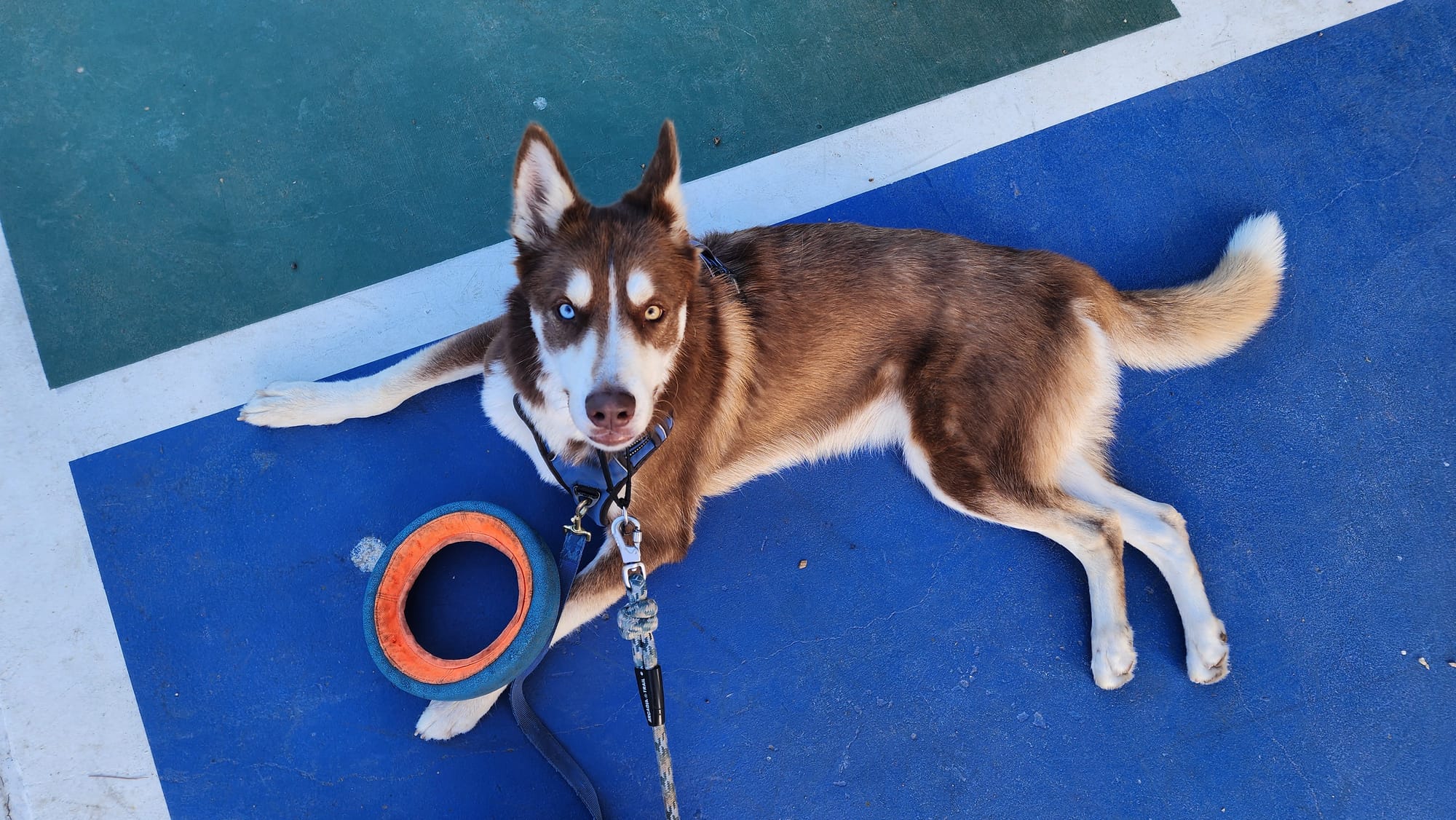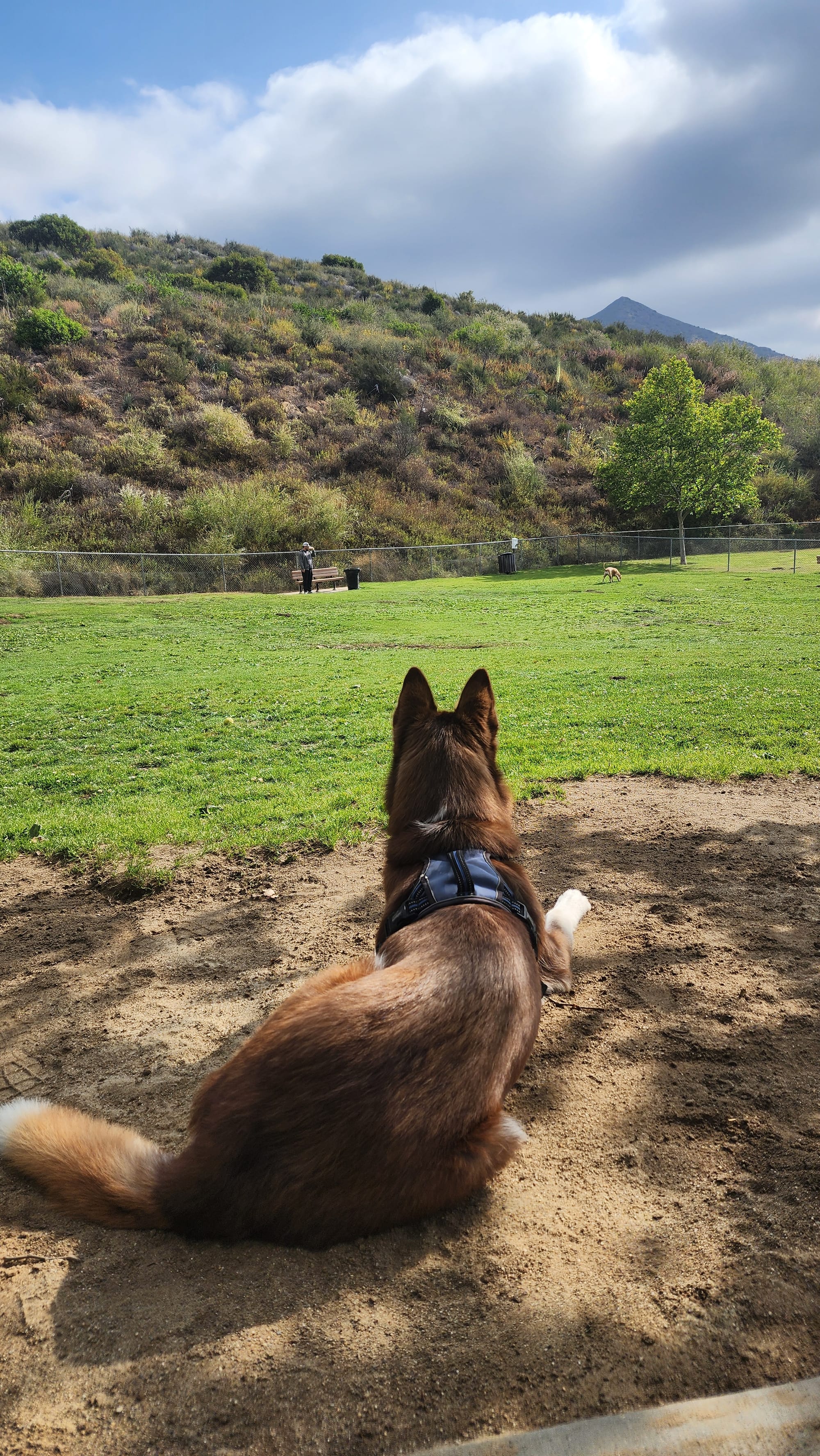
Most dog owners hiking Simi Valley trails this summer are carrying nowhere near enough water to save their pet if things go wrong.
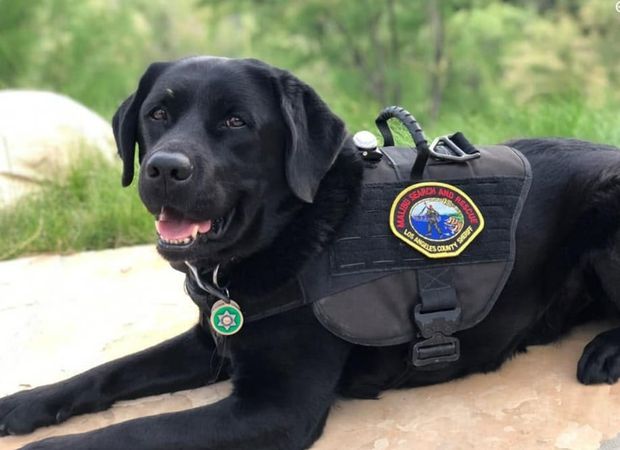
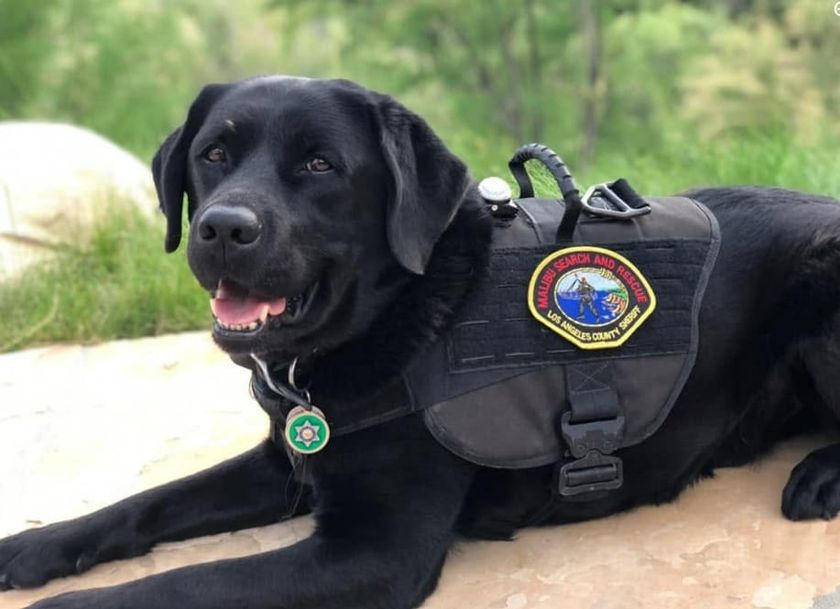
(CLAIR | Simi Valley, CA) — A healthy dog can go from normal to heat stroke in under 15 minutes on a hot trail, and most hikers are not prepared for how quickly it happens. That warning comes from Malibu Search and Rescue, which responds to emergency calls when dogs collapse on local trails during summer heat waves. The team shared detailed safety rules after seeing too many close calls in previous years, and the advice applies to anyone walking a dog in Simi Valley during recurring hot weather, whether on trails or sidewalks.
Dogs cool themselves by panting. They have no sweat glands. When the air temperature rises or the ground heats up, they lose the ability to regulate body temperature. Heat stroke can happen fast, and by the time symptoms show, permanent damage may already be done.
The clearest advice from the search team is simple: if the temperature is over 75 degrees or humidity is high, leave the dog home. When you do take them out for a walk or a visit to the dog park, go early in the morning or after sunset. Mid-day outings are dangerous.
Owners who hike with dogs need to bring far more water than they think. Search and rescue volunteers say most people they encounter on trails carry barely enough for themselves. Dogs dehydrate quickly. They need frequent water breaks and time in the shade to cool down.
Fitness matters. Older dogs and dogs that are out of shape should not be hiking in warm weather. Short-snouted breeds like bulldogs and pugs are at higher risk because they cannot pant as efficiently. Overweight dogs are also more vulnerable.
Before heading out, check the pavement with your bare hand. If it is too hot for you to touch comfortably for five seconds, it will burn your dog's paw pads. Asphalt and sand both get dangerously hot.
Watch for signs of trouble. Excessive panting, a curled tongue, drooling, or a dazed expression are early warnings. Later signs include vomiting, diarrhea, bright red gums or eyes, weakness, refusal to walk, collapse, or shaking. If any of these appear, call 911 immediately. Move the dog to shade, wet them down with towels, fan them, and get them into an air-conditioned vehicle as fast as possible. Delays can be fatal.
Check paw pads during breaks. Dogs pick up thorns, pebbles, and burns without showing it right away. Avoid trails with foxtails or other sharp plants that can lodge in paws or fur.
Never leave a dog in a parked car, even with windows cracked. Interiors can reach lethal temperatures in minutes.
One local dog owner described turning back on a hike when the ground became too hot and the dog started panting hard. The owner and a friend carried the dog back to the trailhead. "Dogs are so loyal they'll walk off a cliff with you," the owner wrote in a Facebook comment. "It's our job to make sure they don't."
Another local resident advised heading to the beach when temperatures rise, where dogs can swim and stay wet. Even then, sand can burn paws, and dogs still need drinking water and shade.
Several people stressed that owners should practice lifting and carrying their dog before an emergency happens. A panicked, overheated dog is harder to handle. Learning how to support the dog's legs and shoulders properly makes a difference when time matters.
Regular grooming can also help. Dogs with thick undercoats stay cooler when dead hair is brushed out using a rake brush.
The advice is not complicated, but it requires planning. Dogs depend entirely on their humans to make safe decisions. They will follow you into dangerous conditions because they trust you. The responsibility is to know when to say no.
Heat waves bring long stretches of dangerous temperatures. Trails and sidewalks stay hot well into the evening. Dog owners who want to stay active with their pets need to adjust their schedules, carry more water than feels necessary, and accept that some days are too hot for dogs to be outside.
Founded in 1977, Malibu Search and Rescue is an all-volunteer organization made up of Los Angeles County Sheriff's Department Reserve Deputy Sheriffs and select civilian specialists. Members volunteer their time and do not charge for rescues. The team is part of the Los Angeles County Sheriff's Department and belongs to the California region of the Mountain Rescue Association. Beyond dog rescues, the team responds to lost hikers, injured climbers, and other backcountry emergencies across the region.
Ventura County Sheriff's Search and Rescue operates under the Aviation Unit and provides similar emergency response within Ventura County. The SAR program consists of trained volunteers who search for lost, missing, injured, or trapped persons anywhere in the county. Teams include three Alpine units, a Canine team, a Medical team, a Dive team, and a Mounted team. Local trail users who run into trouble can call 911, and dispatchers will coordinate with the appropriate rescue team based on location.