Grow It Yourself: A Guide to Home Gardening in Simi Valley and Moorpark
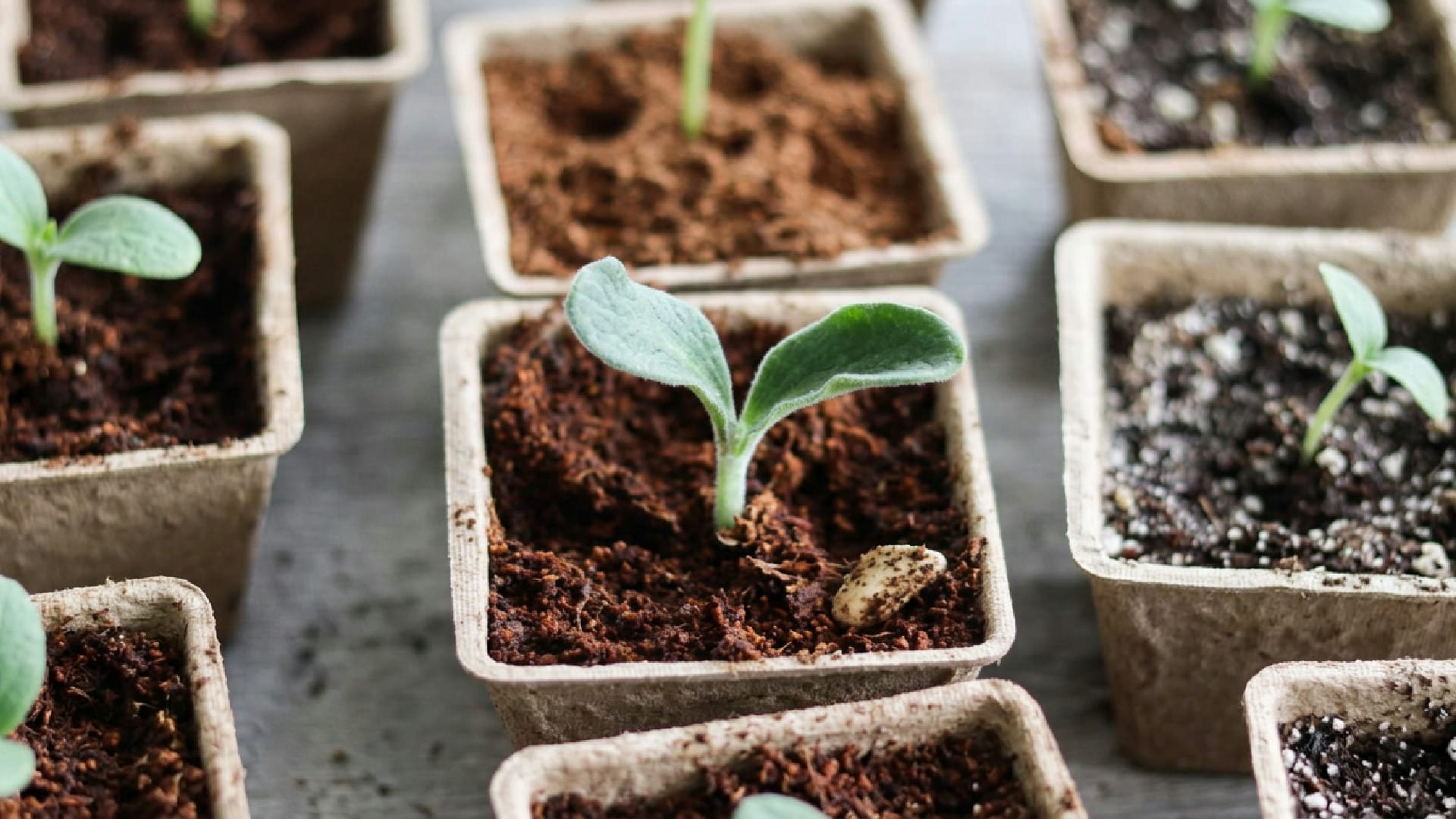
(CLAIR | Simi Valley, CA) — Watching a seed turn into food you can hold in your hand is satisfying, no matter how many times you do it. A tiny seedling grows into a plant loaded with sweet little tomatoes, warm from the sun, that did not exist a few weeks earlier, and it happened because you watered it and waited. People who grow even a little of their own food talk about this the same way, no matter their age or their yard size. It's a feeling that store shelves cannot give you.
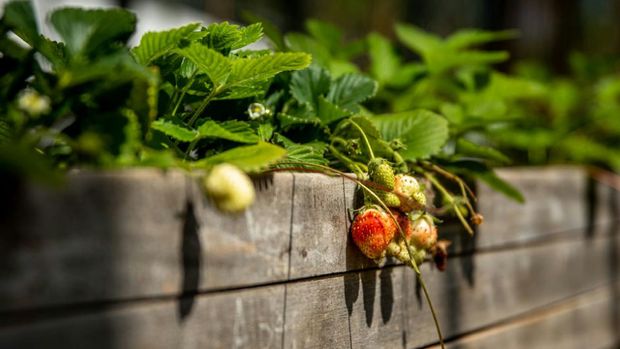
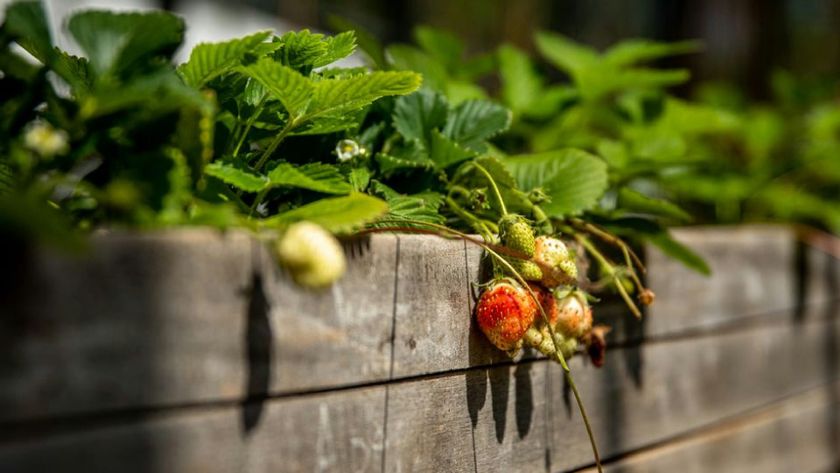
You don't need acreage to feel it. A raised wood planter on the patio will grow tomatoes, zucchini, green peppers, herbs, strawberries and raspberries just fine. Working the soil, planting the seedling, checking on it each morning, this is grounding in a way that's hard to explain until you have done it. Watching the plant grow connects you to the food on your plate in a way that a grocery bag never will. For families who can keep a few hens, gathering eggs adds another layer of that same connection, a small daily reminder of where food comes from.
No yard, no patio, no problem. A surprising amount of food will grow right on a kitchen counter or windowsill. Herbs like basil, mint, chives and parsley do well in small pots with a few hours of sun a day. Loose-leaf greens grow quickly indoors and can be snipped and regrown several times from the same plant. The trick is to leave the center crown intact. Still keep in mind they can't grow and regrow indefinitely. Green onions are the easiest starting point of all, since the white root ends regrow in a glass of water on the counter. Microgreens are ready to eat in about a week or two, grown in a shallow tray on a sunny sill. Even a cherry tomato plant can produce indoors in a large container near a bright window or under a grow light, though it will need more attention than the others.
For residents who want more space than a windowsill but don't have a yard to work with, Simi at the Garden operates the valley's community garden on Sinaloa Road, where individuals and families can rent a plot and grow their own crops alongside their neighbors. It is one option for turning the same seed-to-table satisfaction into something bigger than what fits on a patio.
According to their website, Simi at the Garden offers various sized garden plots on a first-come, first-served basis, with rental prices ranging from $61 to $175 per year plus a $20 to $25 signup and membership fee. To rent a plot, you can schedule a tour or reserve a space by emailing simiatthegarden1@gmail.com or simiatthegardeninc@gmail.com.
Eating well doesn't require an overhaul, whether the food comes from your own soil or someone else's. A few simple habits go a long way. Buy what's actually in season, since it tastes better and usually costs less. Wash produce well, even the kind you peel. Cook more meals at home using whole ingredients rather than relying on packaged shortcuts, since that alone cuts down on a lot of the mystery ingredients. And don't be afraid to ask a farmer at a market how something was grown. Most of them are happy to tell you.
For what you cannot grow yourself, the area still has several places to buy directly from a farmer. On Tuesdays, Adventist Health hosts a certified farmers market outside its hospital on Sycamore Drive, open from 11 a.m. to 3 p.m. with fresh produce, hot food and packaged snacks. Fridays bring the long-running Simi Valley Certified Farmers Market to the Civic Center Plaza on Tapo Canyon Road, behind the Regal theater, running from 11 a.m. to 3:30 p.m. every week of the year, rain or shine. For families who want the full farm experience, Underwood Family Farms on Sunset Valley Road in Moorpark lets visitors pick their own produce and visit an animal center. The farm is open daily from 9 a.m. to 6 p.m., shifting to 5 p.m. starting in November. Weekday admission runs $8, weekends and holidays run $12, with children under 2 and parking free, and a discount for seniors, military, veterans and emergency responders.
Simi at the Garden also runs a Free Farmers Market at its Sinaloa Road location, connecting rescued produce with anyone who needs it. No paperwork, no qualifying, just show up and take what you need. The garden's Sharity Garden, a half-acre plot tended entirely by volunteers, grows produce that goes straight back into the free market, feeding families across the community. Much of the market's rescued produce comes through a partnership with Food Forward, a North Hollywood based nonprofit that has become one of the largest produce recovery operations in the country, collecting surplus fruits and vegetables through backyard gleaning, farmers market recovery and wholesale produce recovery and routing it to hunger relief partners across the region. The market typically runs once a month, and residents should check simiatthegarden.org or the group's Facebook page for the next date and time before heading over, since the schedule has shifted from month to month in the past.
Buying directly from a farmer or a local market also cuts through some of the confusion in a grocery store. Most of what fills a store shelf today travels a long way and passes through a lot of hands before it gets there, and labels don't always tell the full story of how something was grown or treated. Standing in front of the person who grew your dinner, you can just ask.
For a busy weeknight, here are three simple dinners that lean on what you might grow, pick or bring home from a market run.
Sheet pan chicken and vegetables. Toss chopped zucchini, peppers and onion with olive oil, salt and pepper on a sheet pan. Lay chicken thighs on top, season them the same way, and roast at 425 degrees until the chicken reaches an internal temperature of 165 degrees, about 35 to 40 minutes for bone-in thighs or 20 to 30 minutes for boneless, checking with a meat thermometer to be sure. One pan, minimal cleanup, and it uses whatever vegetables looked good that day.
Tomato and herb pasta. Chop fresh tomatoes and toss them with olive oil, garlic, salt and torn basil. Let that sit while your pasta water boils. Cook the pasta, drain it, and mix it right into the tomato mixture while everything is still warm. The heat from the pasta softens the tomatoes just enough without cooking them into sauce, so the fresh flavor stays bright.
Egg and greens skillet. Saute any greens you picked up, spinach, chard or kale, with a little garlic until wilted. Push them to one side of the pan, crack in a few eggs, and cook until the whites set. Serve with toast. It works for dinner as easily as it works for breakfast, and it is a good way to use up a bunch of greens before they wilt in the fridge.
None of this requires a farm of your own. A pot of basil on a windowsill, a rented plot at the community garden, or a weeknight meal built around seasonal produce, any of it is a way back toward knowing your food a little better.