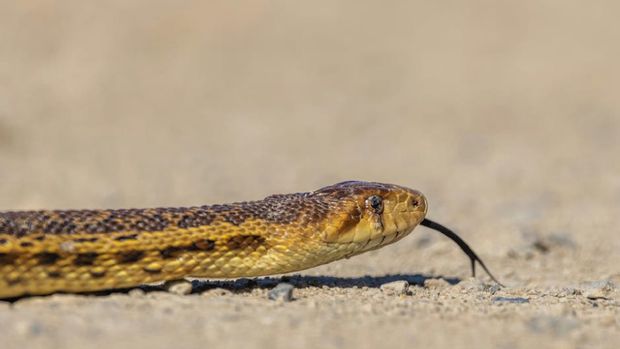
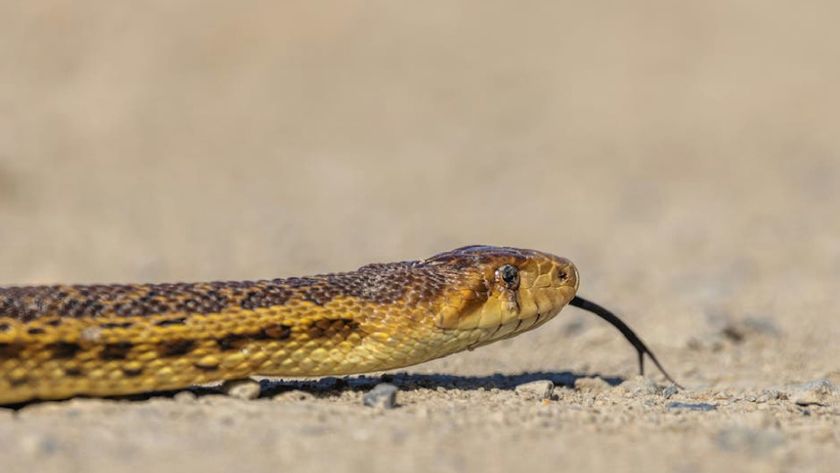
Rattlesnake Bite Sends Simi Valley Hiker to Hospital in Dangerous Spring
(CLAIR | Ventura County, CA) — A rattlesnake bit a woman on the ankle Thursday along Long Canyon Trail in Wood Ranch, marking the seventh such incident in Ventura County since mid-March as an unusually warm spring drives snakes out of dormancy weeks ahead of schedule.
Firefighters responded with ground crews and a helicopter to airlift the woman to a local hospital, where she remained in stable condition Thursday evening. The bite occurred in one of Simi Valley's most popular hiking areas, where trail use has surged on recent warm weekends.
What makes this spring different from any recent year is not just the number of bites but the consequences. California has recorded three rattlesnake bite deaths statewide so far in 2026, according to NPR, in a state that typically sees about one per year. Ventura County alone has already logged seven bites since mid-March, compared to nine in all of 2025.
Andrew Dowd, a spokesman for the Ventura County Fire Department, told ABC7 News that bite numbers are running well ahead of last year's pace. "We want to be prepared for all contingencies, and we want the public to be prepared as well," he said.
Fire officials attribute the surge to an unusually warm start to the year that pulled snakes out of dormancy earlier than normal. The pattern has created dangerous conditions across the county's extensive trail system, which draws thousands of hikers and mountain bikers from Simi Valley, Moorpark and neighboring communities each weekend.
The local toll has been serious. A 46-year-old Moorpark woman was bitten while hiking at Wildwood Regional Park in Thousand Oaks on March 14 and tragicallly died five days later, with the Ventura County Medical Examiner listing rattlesnake venom toxicity as her cause of death. A teenage girl bitten on the Wendy Trail in Newbury Park survived after receiving anti-venom. A man in Camarillo was bitten on April 5.
With trail use surging on warm weekends, fire officials are urging hikers to take immediate precautions. The first rule applies to anyone on foot or on a bike: if you see a rattlesnake, stop immediately and stay back. Do not try to ride past it, step around it, or nudge it with a tire. Back up slowly and give it at least ten to fifteen feet.
If the snake is crossing the trail, wait. If it is coiled or rattling, you are already too close. Most bites happen when people don't notice and accidentally get to close or try to interfere. Rattlesnakes almost never strike unless they feel cornered.
Mountain bikers face a particular challenge because speed and momentum can put a rider on top of a snake before either one knows the other is there. Fire officials recommend sticking to the center of the trail rather than drifting toward the brush line, where most encounters happen. Warn other riders coming from either direction. If the snake will not move, turn around.
For hikers and joggers, the Ventura County Fire Department recommends staying on clearly marked trails, wearing boots and long pants, and looking carefully before stepping over any rock or log. Carrying a fully charged phone is essential, the department said, because knowing your exact location can mean the difference between a fast rescue and a dangerously long one.
If someone is bitten, they should move away from the snake immediately to prevent a second strike, then call 911 and keep still. Exertion speeds venom through the body, so a bitten bike rider should not pedal out under any circumstances unless emergency dispatch specifically says otherwise.
In a group, one person stays with the injured hiker or rider while another handles the 911 call and gives the most precise location possible, including trail name, GPS coordinates, or a dropped pin. Remove rings, watches and any tight clothing near the bite before swelling begins, and mark the outer edge of swelling with a pen, noting the time, so emergency room staff can track how fast venom is spreading.
The CDC and Mayo Clinic are consistent on what not to do: no tourniquets, no cutting the wound, no attempting to suck out venom, no ice, no alcohol, and no aspirin, ibuprofen, or other anti-inflammatory pain relievers unless directed by medical staff. Many emergency rooms carry antivenom, and getting there fast is the single most important thing.
Ventura County Animal Services reminded pet owners that dogs are especially vulnerable because they tend to investigate snakes with their faces and paws. Keep pets on a leash and out of brush, and stay alert. A dog that gets bitten should be carried out, not walked.
Rattlesnakes are not looking for a confrontation. They bite when they feel they have no other choice. Give them space, and nearly every time, they will simply move on. But this spring's early warm weather means hikers will encounter them on trails where they might not expect them for several more weeks.
Fire officials expect the pattern to continue through the summer months as temperatures remain above normal. For trail users, that means treating every hike as potentially dangerous and planning accordingly.