Simi Valley's Mosquito Problem Is Testing Everyone's Patience
An invasive mosquito species has taken hold across Southern California, biting through clothing in broad daylight and overwhelming residents who say traditional repellents no longer work.
(CLAIR | Simi Valley, CA) — Simi Valley residents are dealing with a mosquito problem this year that many describe as unlike anything they have experienced before. Complaints have come from across the city, from the Texas Tract to neighborhoods near the wash on the west side. People report bites that come through clothing, swarms that show up in daylight, and repellents that don't seem to work.
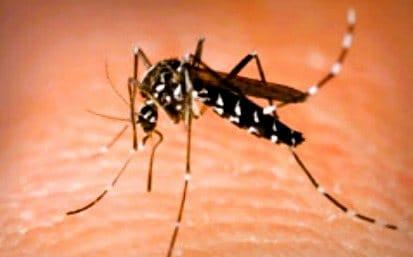
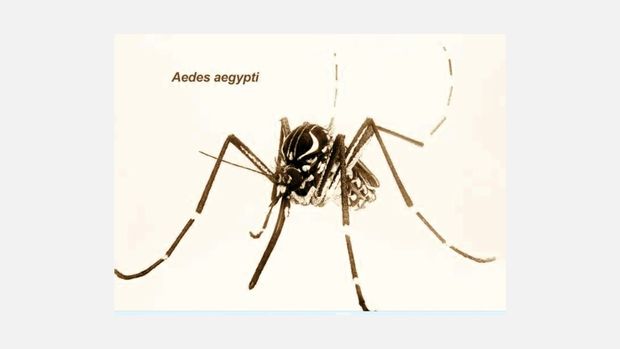
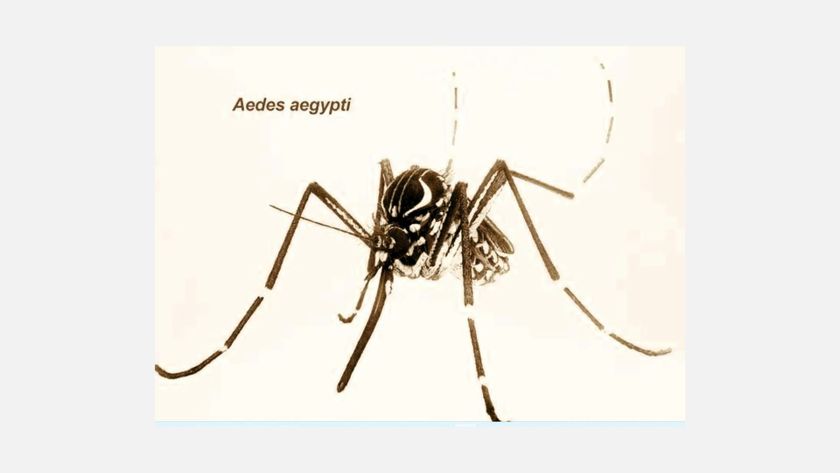
The mosquitoes behind the complaints are not the native species longtime residents grew up with. According to the Ventura County Vector Control Program, two invasive mosquito species have spread into several California cities and gained a foothold in Ventura County. The first detection of Aedes aegypti in Simi Valley came in early September 2020. The program has monitored for the species using traps since 2014.
Unlike most native mosquitoes, these two species commonly bite during the day and can be found both inside and outside homes. They are small and black with white stripes on their bodies and legs. They can lay eggs in almost any container that holds even a teaspoon of water, including potted plant saucers, bird baths, tires, and equipment left outdoors. Eggs can stay dry for a year or longer and still hatch once they come into contact with water. An adult mosquito typically lives about two weeks.
The species can also transmit dengue, chikungunya, Zika virus, and yellow fever, though local transmission would depend on an infected traveler introducing the virus in an area where the mosquitoes are present.
The persistence residents describe lines up with what makes these mosquitoes different from the ones many grew up swatting away at dusk. They do not wait for evening. They bite through fabric that used to offer some protection. Store-bought repellents that worked against older mosquito populations often fall short against them. People who spend time outdoors, whether gardening, sitting on a patio, or simply walking to the mailbox, describe getting bitten repeatedly over the course of a single day, indoors and out, regardless of the precautions they take.
The scale of frustration in the community has been hard to miss. Neighbors on social media groups have swapped theories about where the mosquitoes are coming from, debated whether the city should intervene, and traded home remedies ranging from bug zappers to scented lotions to pest control contracts. Some have pointed to specific problem spots like drainage areas or the wash. Others have questioned whether a handful of poorly maintained properties are seeding entire blocks.
Vector control officials say there are concrete steps residents can take to reduce breeding sites around their own homes. Eliminating standing water in and around the house is the most important. Avoiding overwatering and excess runoff that pools in drains and gutters helps. Covering yard drains with mesh screening or landscape cloth and keeping outlets clear cuts down on breeding sites. Emptying, scrubbing, or covering anything that holds water on a weekly basis removes places where eggs can hatch.
Tightly covering water storage containers such as buckets, cisterns, and rain barrels keeps mosquitoes out. Fitting containers without lids with mesh that has holes smaller than an adult mosquito works as well. Keeping rain gutters clear of debris prevents pooling. Filling plant saucers with sand or removing them eliminates another common breeding spot. Removing bromeliads and other water-holding plants from the landscape helps. Sealing cracks and covering vent or plumbing pipes on septic systems closes off entry points.
For anyone dealing with the bites, a simple fan can help. Whether it runs indoors or out on a patio while someone sits to work, eat, watch television, or read, the moving air makes it hard for mosquitoes to land or stay in place. Keeping window and door screens in good repair and closing garage doors also cuts down on mosquitoes getting inside and breeding there.
For residents who rent or live in condos and apartments and have little say over shared gutters, drains, or common areas, a few options don't depend on anyone else's cooperation. Anyone with a balcony or a few potted plants can use Bti-based products (containing biological insecticides) in any water they actually control. The products kill larvae before they mature without spraying anything. Clothing treated with permethrin, rather than relying on skin repellent alone, holds up over multiple washes. And if the source is a specific problem, like a county drain that never fully dries, residents can report it directly to the Vector Control Program's complaint hotline.
Even with those steps, officials and residents alike acknowledge that no single household can eliminate the problem on its own. The mosquitoes can develop in a teaspoon of water. A single yard drain, gutter, or neglected container just a few houses away can be enough to sustain a local population regardless of how careful an individual homeowner is.
To report unusually high mosquito activity, stagnant water sources such as abandoned swimming pools and unkept ponds, or report dead birds that could potentially carry diseases like West Nile Virus, residents can call the Vector Control Program's Mosquito Complaint Hotline at (805) 658-4310. To obtain free mosquito fish for ponds, fountains and water gardens, call (805) 662-6582.