Spoiled warehouse food hauled to Simi Valley landfill after Boyle Heights fire triggers odor complaints and county violation
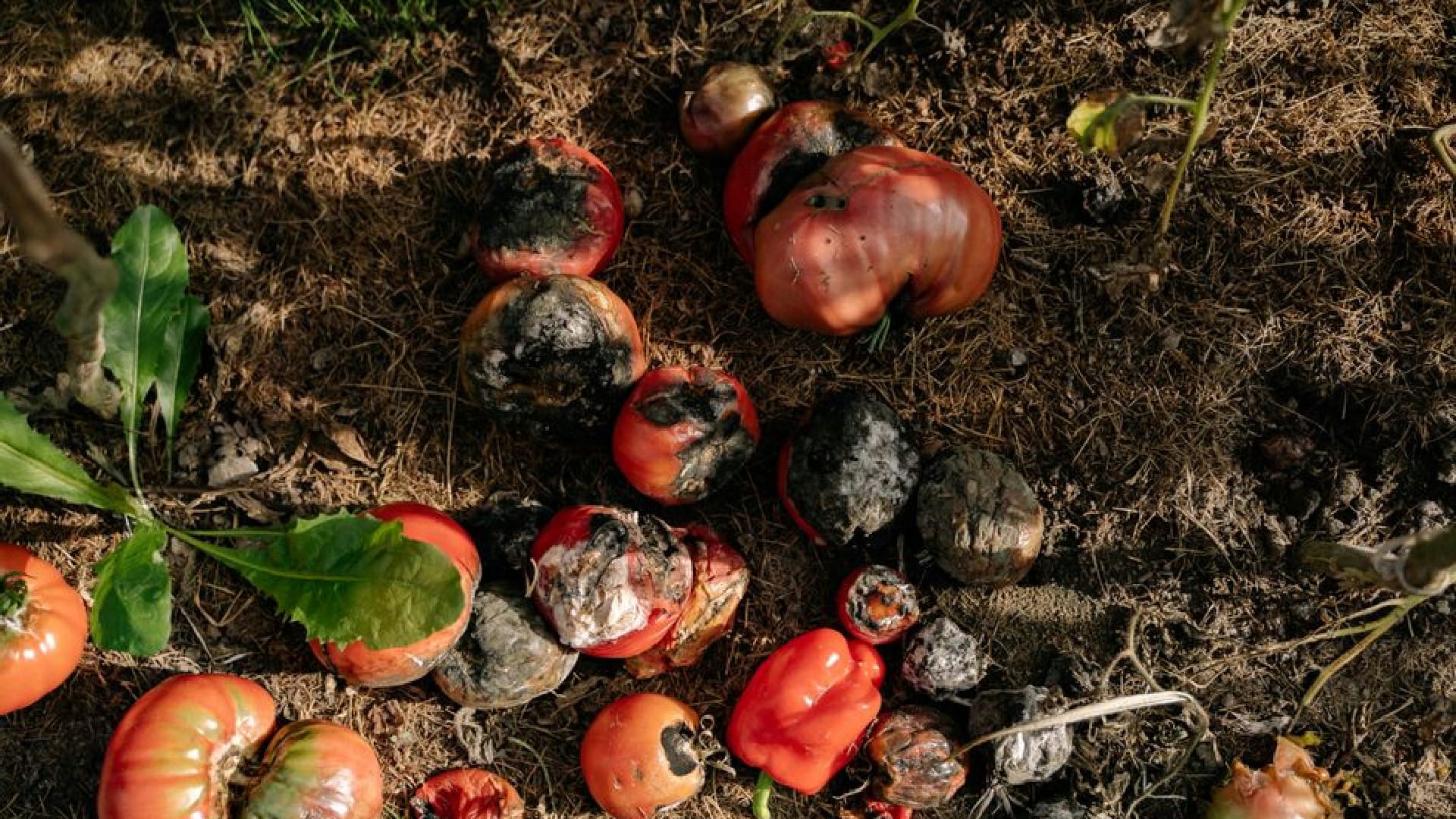
(CLAIR | Simi Valley, CA) — The rotting food is finally out of the fire-damaged Boyle Heights warehouse. But for residents in the Big Sky neighborhood, the fallout from the cleanup is still being felt.
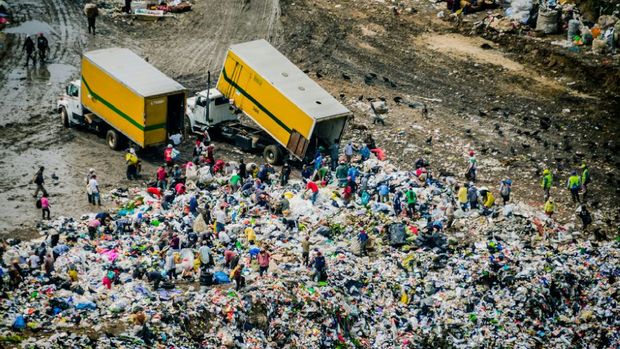
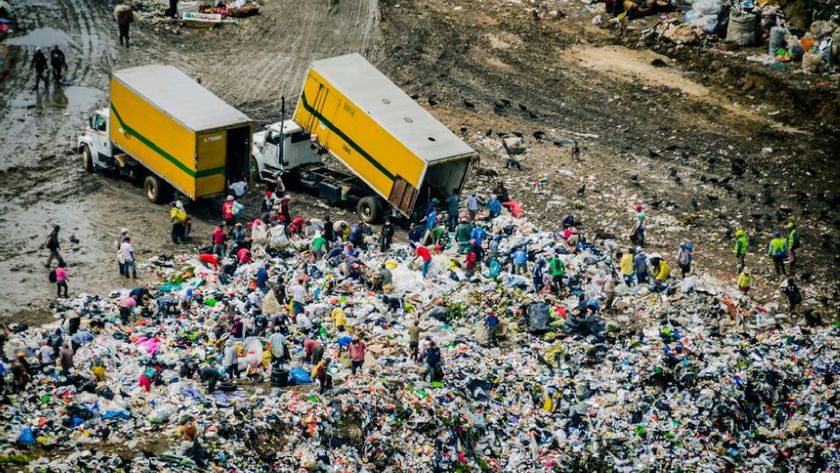
South Coast Air Quality Management District officials said Aug. 29 that Lineage Logistics had completed removal of the bulk food waste from its Boyle Heights facility, marking a major phase of the cleanup after more than two months of persistent odors and thousands of complaints. Some of that spoiled food, however, was hauled to the Simi Valley Landfill and Recycling Center, where Big Sky residents have complained in recent weeks about a rotten smell that Ventura County regulators determined was coming from the landfill.
According to KTLA and other news reports, the Ventura County Air Pollution Control District issued a notice of violation to Waste Management, which operates the Simi Valley Landfill and Recycling Center at 2801 Madera Road, after field inspections and a wave of resident complaints. Inspectors visited the site Aug. 11 and confirmed the smell was a public nuisance, according to a notice reviewed by the Los Angeles Times, with agency staff writing that they had "noted the odor emanating from putrescent food waste," as reported by NBC Los Angeles.
The waste originated roughly 50 miles away, at Lineage's cold storage warehouse in Boyle Heights, where a fire broke out June 17 and destroyed refrigeration for a facility that held an estimated 80 million pounds of meat, produce and other food. Lineage has said the spoiled food was separated, sealed in roll-off containers and sprayed before leaving the site, then hauled to nine disposal and recycling locations across Southern California and beyond, including sites in Brea, Corona, San Pedro and as far as Utah and Arizona, KTLA reported. The local landfill was one of those nine destinations.
Big Sky residents told ABC7 they began filing complaints with the county air district several days before the violation notice was issued, describing a smell severe enough to affect daily life and accompanied by an increase in flies. "I smell like a fish or something dead," one resident told the outlet. Another resident told the Los Angeles Times that area homeowners received no advance notice the landfill would be taking in fire waste. "If we had, we would have, of course, objected," he told the news outlet, noting that his own home is about two miles from the landfill but that the odor still reached it.
Online records from the Ventura County Air Pollution Control District showed more than 20 complaints tied to the landfill this month, NBC Los Angeles reported. Residents discussing the issue in neighborhood social media groups have urged neighbors to document the date and time whenever they notice the smell and to file complaints directly with the district.
Not every account matches the more severe descriptions. One person who said they visited the landfill in person reported detecting only the facility's usual smell and no unusual odor in the air, though they added they would still prefer the waste be taken elsewhere.
Waste Management told NBC Los Angeles the landfill is permitted to accept food waste and that the material from Lineage has made up a small share of what the site receives daily. The company said it has been covering incoming loads and running deodorizers to reduce the smell. Waste Management separately confirmed to KCLU that the local site received fire-related waste and said the site is not expected to receive any more of the Boyle Heights waste.
The end of deliveries does not necessarily mean the end of the odor issue. Food waste breaking down in landfills is not unusual. Losses occur throughout the food system, from farms to distributors to retailers to households, whether from spoilage, pests, inadequate refrigeration or waste that is simply thrown away, according to the Harvard T.H. Chan School of Public Health's Nutrition Source. The U.S. Department of Agriculture likewise notes that food waste is generated at every stage of the supply chain.
California has tried to reduce how much of that waste ends up in landfills. Under state law SB 1383, residents, businesses and multifamily properties have been required since 2022 to separate food scraps and other organic material from regular trash so it can be composted or otherwise diverted, since decomposing organic waste is a significant source of landfill methane.
In practice, compliance is uneven. Not every apartment or condo complex has rolled out dedicated organic bins, sorting is not always convenient for tenants, and it is unclear how consistently single-family households separate food scraps for composting rather than sending them to the landfill with the rest of their trash.
Modern landfills like the local site are also a different operation than the open, uncovered dumps of decades past. Today's facilities are typically built with layered liners to keep contaminated liquid from reaching groundwater, and many use gas collection systems that capture methane as it forms rather than letting it escape freely. Waste is generally covered at the end of each operating day, which is part of what Waste Management said it has been doing more of at the local site while the odor complaints have played out.
For now, the two cleanup efforts are moving into different phases. South Coast AQMD says the bulk of the spoiled food has been removed from the Boyle Heights warehouse, with final cleaning and disinfection underway. Locally, the Ventura County Air Pollution Control District has told residents it will continue monitoring conditions and responding to additional complaints, while the violation notice requires the landfill to operate without causing a public nuisance.