
The Great Ranch Heist: How a Creamy American Condiment Became the World Cup's Most Unlikely Obsession
(CLAIR | Simi Valley, CA) --It started innocently enough. A European tourist tried ranch dressing for the first time at a World Cup stadium in America. Then another. Then thousands.
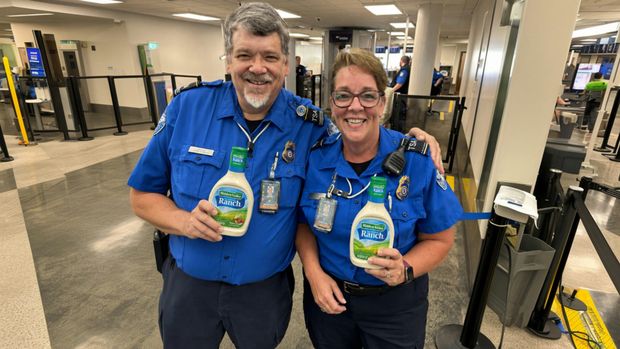
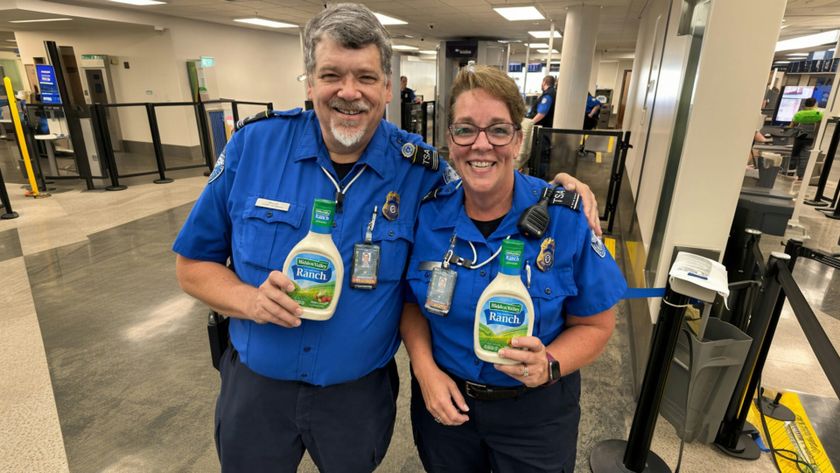
By mid-June 2026, the Transportation Security Administration had seen enough. On Instagram, they posted a message that seemed to come from an alternate universe: "days since the last airport ranch incident: 0."
Not a typo. Zero days.
What followed was perhaps the most wholesome international incident in airport security history—a phenomenon so absurd, so perfectly emblematic of American excess meeting European bewilderment, that it has somehow united the internet in collective joy.
The Europeans are stealing our ranch dressing. And honestly, we deserve it.
The Discovery
To understand how we got here, you have to understand what ranch means to Americans. It's a salad dressing, Yes. But it's also a way of life. A condiment so versatile, so beloved, that we pair it with pizza, wings, fries, quesadillas, and vegetables with the kind of casual confidence that only comes from decades of cultural normalization.
By the 1990s, ranch had dethroned Italian dressing as America's top-selling salad dressing and never looked back. It became so ubiquitous that Americans stopped noticing it was remarkable.
Europeans, however, noticed immediately.
As international fans descended on the United States for the 2026 World Cup, they encountered something their home countries had deemed unnecessary, impractical, or perhaps too American to bother with: bottled ranch dressing in mass quantities, available at every stadium, restaurant, and convenience store.
The reactions were immediate and visceral.
"Why did no one tell me ranch sauce is like crack?" one European posted on social media, a sentiment that would be echoed thousands of times over in the following weeks. "EUROPE WE NEED RANCH ASAP."
A Swedish woman named Elsa Thora went viral for her unfiltered enthusiasm about the condiment. German superfan @FreddyLA7 documented a road trip from Georgia to Texas, and people across the internet waited with bated breath to see what he'd eat next. Spoiler alert: it usually involved ranch.
What had started as casual curiosity had metastasized into something resembling a full-blown addiction.
The Logistics Problem
Here's where things got interesting—and where the TSA's dry humor came in handy.
Ranch dressing, it turns out, is a liquid. A creamy, herb-infused liquid that falls squarely under the TSA's 3.4-ounce liquid rule for carry-on baggage. Most bottles of Hidden Valley Ranch contain 32 ounces. Do the math and you've got a problem.
But that didn't stop people from trying.
The TSA, faced with an unprecedented surge of tourists attempting to smuggle bottles of salad dressing through airport security, did what any reasonable government agency would do: they started posting increasingly deadpan warnings on Instagram.
"If you're visiting for a very large sporting event & you happen to discover RANCH while you're here… pls pack it in your CHECKED BAG on the way home. Thank you," they wrote, with the tone of someone who has explained this same thing forty times today and has accepted their fate.
But the warnings kept coming. Because people kept trying.
"Ok, please avoid chugging your ranch outside security," the TSA posted, apparently because this had become a thing that needed to be specifically addressed. "The airlines will check it for you."
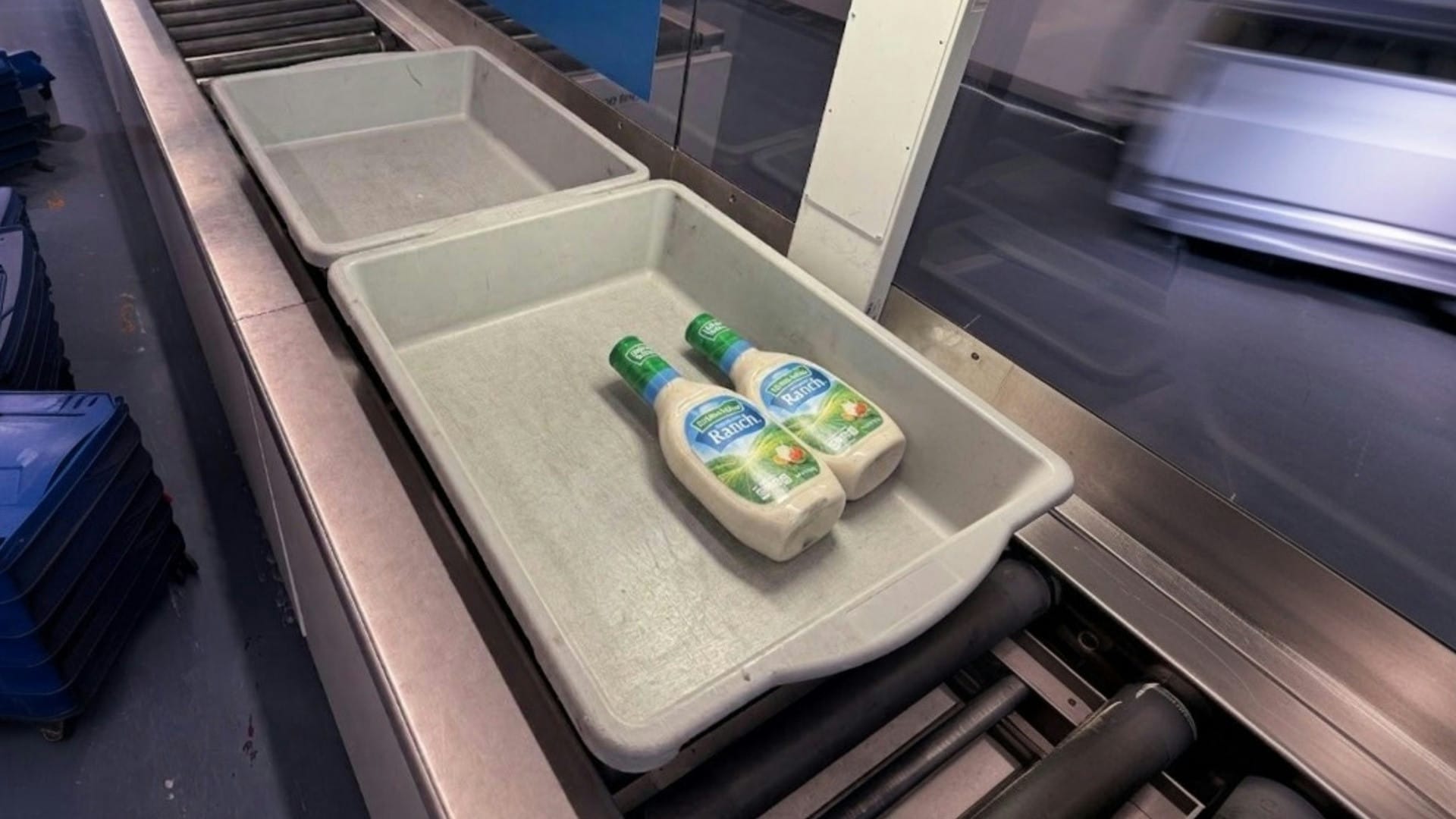
One enterprising tourist reportedly filled an entire oversized liquids bin with nearly a dozen bottles of ranch before their flight—a photo that circulated online and became the visual representation of this entire phenomenon.
The TSA's crowning achievement in ranch communication came with this gem: "Some heroes wear capes. Others bring ranch."
The Corporate Opportunists
It didn't take long for corporate America to notice that they'd accidentally created a market opportunity.
Kraft, the company behind the iconic Hidden Valley Ranch brand, saw what was happening and smelled blood in the water. Or, more accurately, smelled buttermilk and herbs.
They announced they were developing a TSA-compliant ranch kit—small packets that would fit within carry-on regulations. The announcement came with an AI-generated image and a caption that dripped with corporate self-awareness: "Some visitors leave with souvenirs. Others leave with America's favorite dressing. Introducing Kraft TSA Compliant Ranch, a travel-friendly way to bring the taste of America home."
Other brands piled on. Heinz asked if their ketchup counted as a liquid. Jack in the Box announced that their ranch packets were "TSA approved." Tabasco reminded people that their mini bottles cleared the limit. The entire condiment industry was having a collective moment of joy.
Why Europe Can't Get Ranch
The real question underlying all of this: why is ranch so rare in Europe?
The answer is complicated and says something interesting about cultural food preferences. Ranch dressing, fundamentally, is an American invention created in the 1950s by Steve Henson, a plumbing contractor who first made it for workers in Alaska before serving it at his Hidden Valley dude ranch in California. It became so embedded in American food culture that we stopped thinking of it as exotic.
In Europe, however, vinaigrette reigned supreme. Creamy dressings existed, but the particular combination of buttermilk, herbs, garlic, and onion that makes ranch... ranch... never quite caught on the way it did in America.
Some bottled ranch can be found in European stores, but it's expensive, inconsistent, and carries the weight of being "imported American novelty food" rather than a staple. For someone who just experienced the transcendent joy of ranch-covered pizza or ranch-dipped fries at an American World Cup venue, going home to a continent without easy access to the stuff felt like a betrayal.
One person on social media perfectly captured the sentiment: "Ranch in Europe is rare?! Poor Europeans. Who's going to start the ranch pipeline to Europe? Instant business opportunity."
Someone probably will.
The Beautiful Absurdity
What makes this whole phenomenon so charming is its sheer absurdity. In a World Cup defined by serious moments—competition, national pride, athletic excellence—the most memorable trend has been international visitors attempting to smuggle salad dressing.
There's something deeply American about exporting something so aggressively mundane and having the rest of the world lose their minds over it. There's something deeply human about discovering something delicious and wanting desperately to share it with everyone you love back home.
The TSA, of all institutions, has leaned into the moment with a warmth that feels genuine. Their social media team isn't begrudgingly warning people about liquid restrictions—they're celebrating the fact that ranch dressing has become a global love language.
What's Next?
As the World Cup winds down and international visitors begin their journeys home, one question lingers: will the ranch phenomenon fade, or has something fundamental shifted?
Reddit threads are already organizing group buys. Europeans are asking Americans to mail them ranch in advance of future visits. Kraft's TSA-compliant packets haven't even launched yet, and they're already anticipating high demand.
What started as a quirky observation—"Europeans love ranch"—has become something more. It's a reminder that globalization doesn't mean the world is becoming homogeneous. Sometimes it means discovering that your neighbor's everyday staple is your neighbor's exotic luxury.