Summer Destinations Series: Los Angeles Icons Worth the Drive
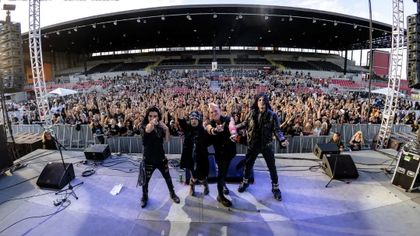
(CLAIR | Simi Valley, CA) — The Hollywood Bowl sits in a natural amphitheater carved into the Hollywood Hills, where warm summer air carries music across 17,000 seats under an open sky. For Simi Valley and Moorpark residents willing to make the trek, it remains the best outdoor concert venue in Southern California.
The 2026 season delivers marquee acts alongside classical programming. The Beach Boys will perform with the Hollywood Bowl Orchestra for three nights over Fourth of July weekend. Gustavo Dudamel, wrapping his final season as Music and Artistic Director of the L.A. Philharmonic, shares the stage with Foo Fighters on August 22. Other highlights include St. Vincent with the Hollywood Bowl Orchestra, Smokey Robinson and Gladys Knight on the same bill, ZZ Top with Cheap Trick, and Jon Batiste closing the season on September 27.
The venue at 2301 N. Highland Ave. offers a practical option for local concertgoers: skip onsite parking entirely. The Hollywood Bowl runs shuttles. For details about Park and Ride locations and schedule, visit https://www.hollywoodbowl.com/visit/getting-here/park-ride-and-bowl-shuttle
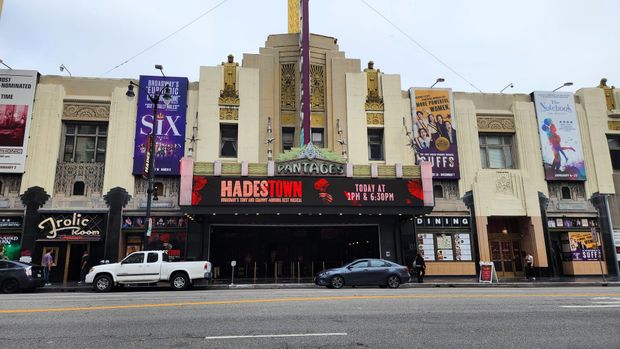
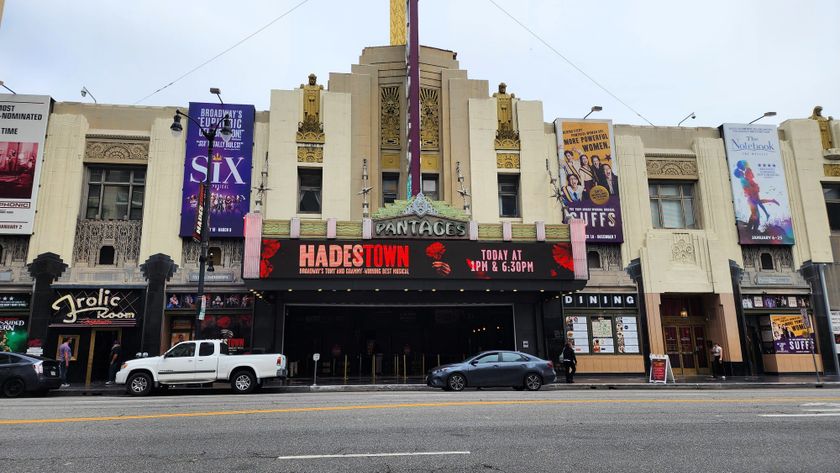
The Hollywood Pantages Theatre opened in 1930 at 6233 Hollywood Blvd. and remains one of Los Angeles' premier venues for major musical productions. This summer's lineup offers two solid reasons to make the trip downtown.
Phantom of the Opera runs June 24 through August 9, featuring a revitalized production of Andrew Lloyd Webber's classic that continues its 40th year in London's West End. Disney's Beauty and the Beast follows immediately after, running August 12 through September 6. Both productions represent the kind of large-scale theater that justifies the drive from Ventura County.
Getting there by train proves straightforward. Take Metrolink to Union Station, then catch the Red Line subway to Hollywood/Vine. The theater sits a short walk from the station exit. Parking around the Pantages is also available, just arrive early to score a spot.
Theater policies require attention: no children under 5, no food or drinks inside, and late arrivals wait for appropriate breaks to be seated.
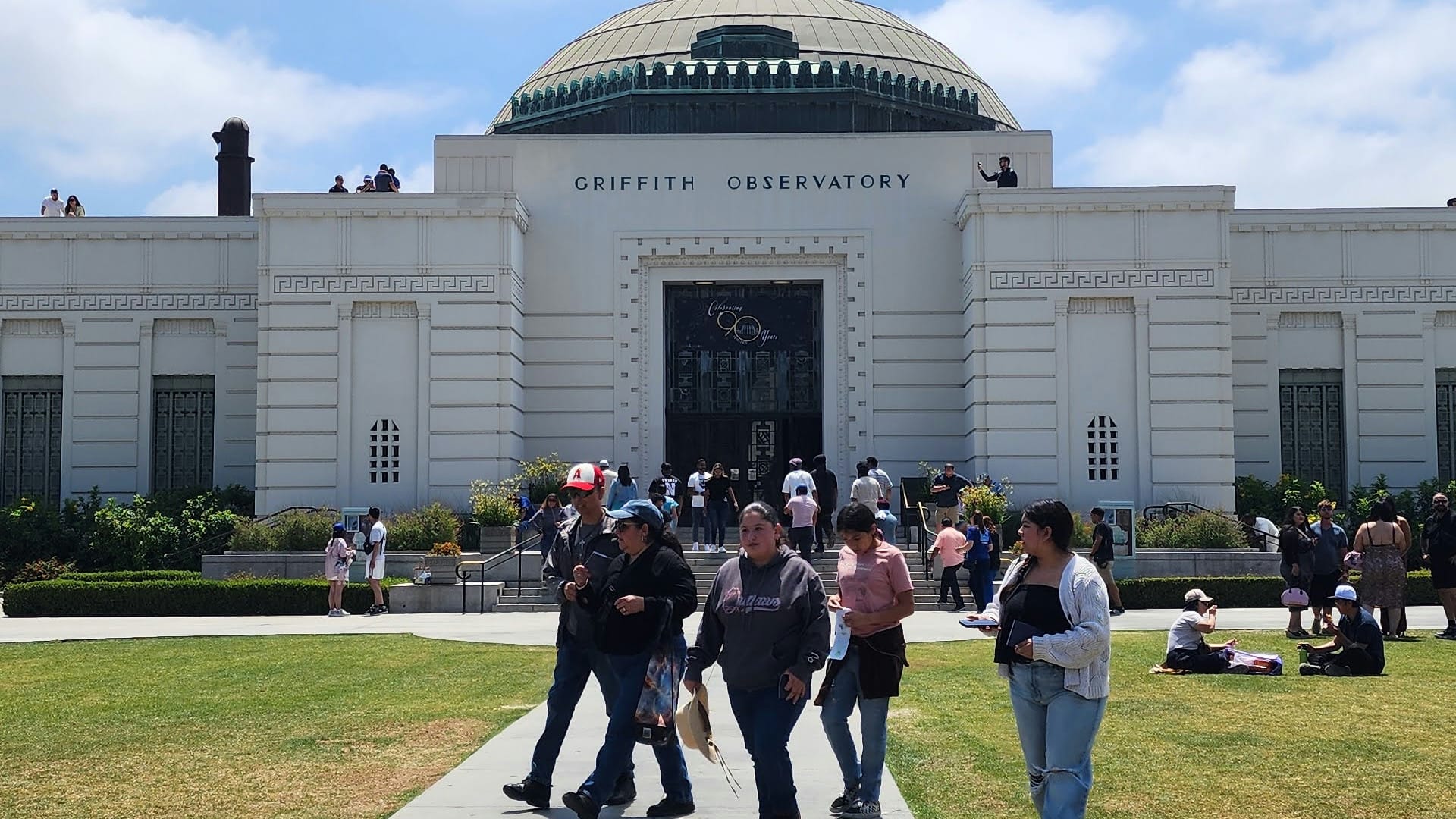
Griffith Observatory has offered free admission since opening in 1935. The building houses exhibits, telescopes for public viewing, and the Samuel Oschin Planetarium, which charges a small fee for live shows. The grounds follow Griffith Park hours, generally 5 a.m. to 10:30 p.m. daily, with building hours posted for afternoons and evenings.
The front terrace delivers expansive views across the L.A. basin, including clear sight lines to the Hollywood Sign and, on clear evenings, glimpses of the Pacific Ocean. Hiking trails connect the observatory to Mount Hollywood and Fern Dell. Weekday midday visits avoid weekend crowds that can overwhelm parking and viewing areas.
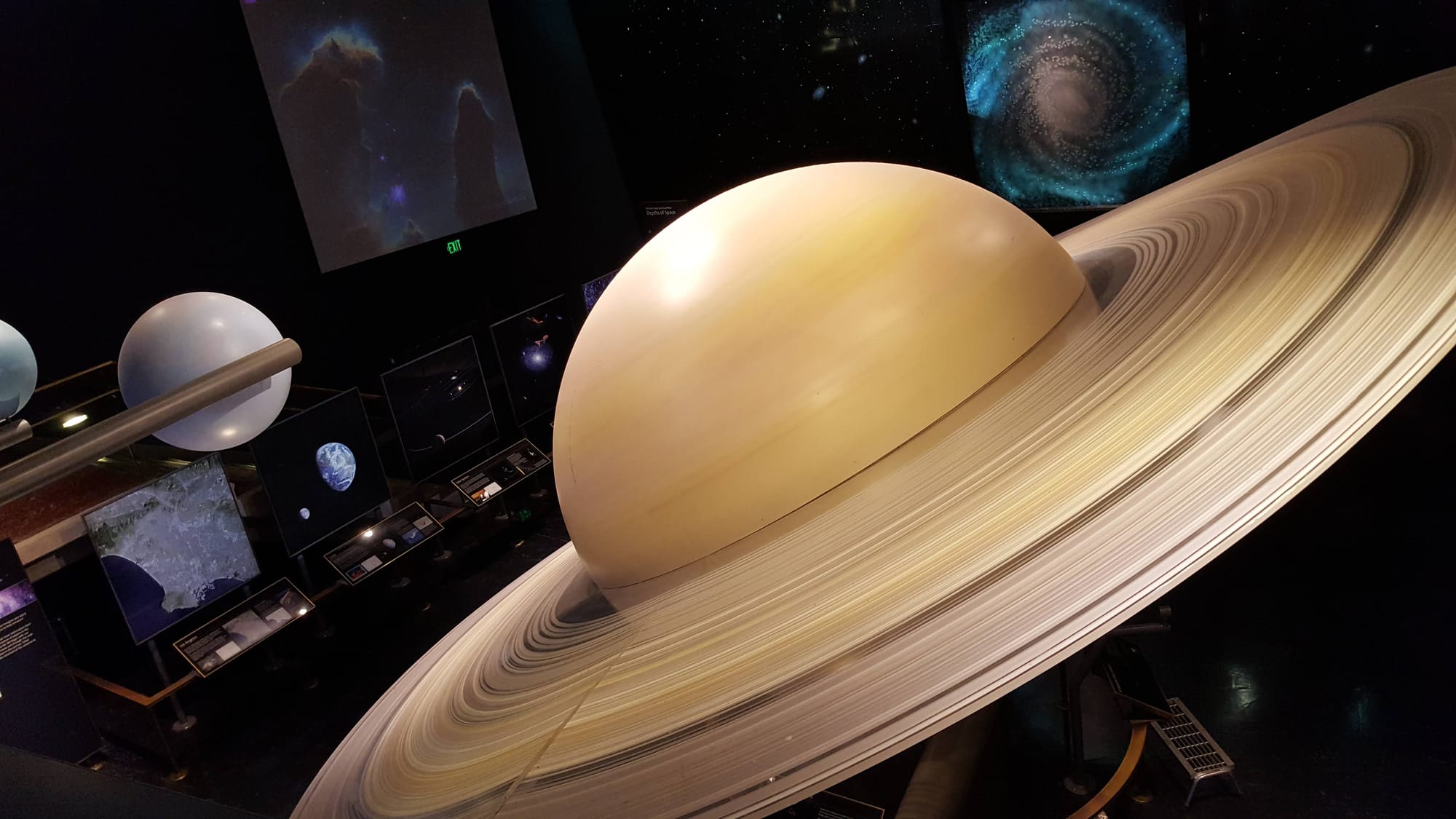
The observatory runs "All Space Considered" programming live from the Leonard Nimoy Event Horizon Theater on the third Thursday of each month, free for in-person attendance and streamed on YouTube.
The Getty Center at 1200 Getty Center Drive charges no admission fees, only parking at $23 per car. Visitors can walk in free from nearby bus stops. Richard Meier's travertine campus spreads across a ridgeline with unobstructed views of both city and ocean.
The permanent collection covers European paintings, decorative arts, manuscripts and photography. The center's gardens hit their peak in summer months, offering shade and sculpture among Mediterranean plantings. Special exhibitions may require timed tickets, available through getty.edu.
Metrolink connects Simi Valley and Moorpark directly to Los Angeles Union Station, which merits exploration before heading elsewhere. The 1939 terminal blends Spanish Colonial Revival and Art Deco architecture in a space that still functions as designed.
Olvera Street sits a short walk from Union Station, representing the oldest part of Los Angeles. The pedestrian marketplace features Mexican food stalls, folk art vendors, and the 1818 Avila Adobe, the city's oldest surviving house. Walking through costs nothing and delivers genuine historical context.
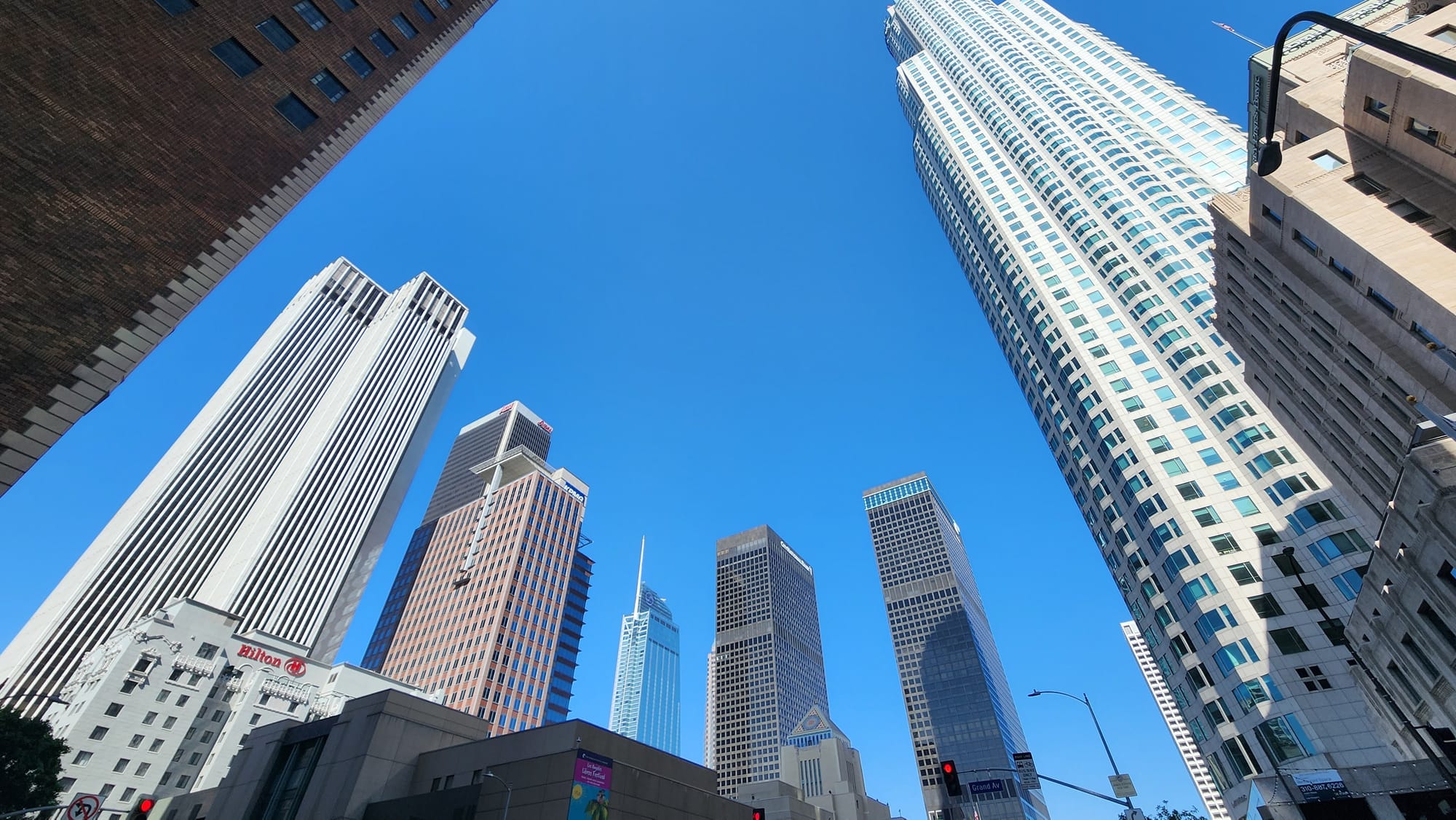
The walk from Union Station along First Street toward City Hall or Grand Park provides perspective on downtown's scale. For families from smaller cities, standing at the base of a true urban skyline offers a different sense of place than what exists in the valley.
These destinations require planning but reward the effort. Each offers something unavailable closer to home: world-class performances, scientific discovery, major art collections, and urban experiences that expand perspective. Summer is the perfect time to go explore and learn.