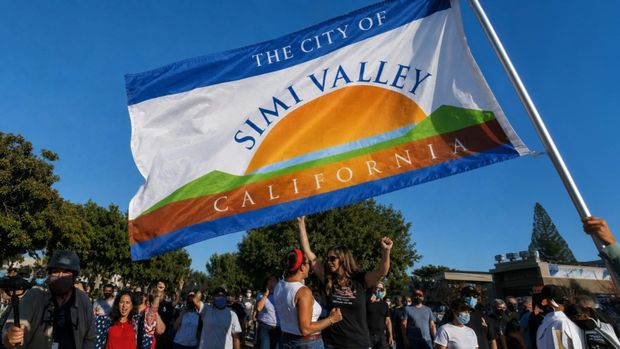
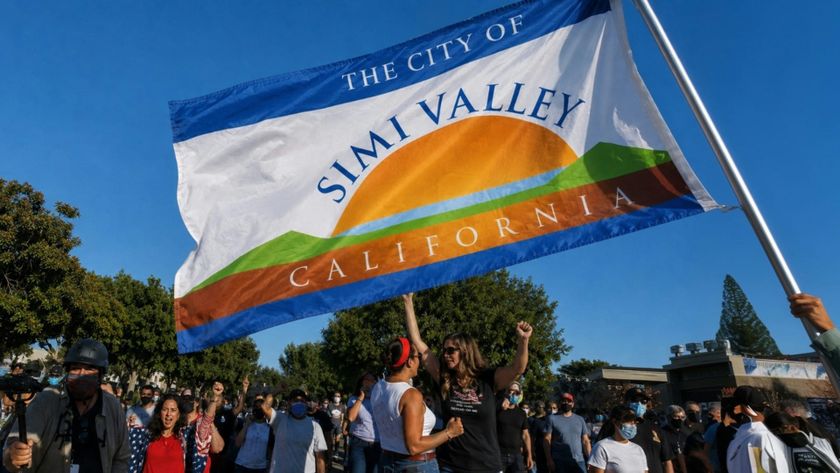
(CLAIR | Simi Valley, CA) – Simi Valley voters will head to the polls November 3 to elect a mayor and three City Council members, and for anyone who has ever sat through a city meeting wishing they had a vote on the dais, this summer marks the chance to do something about it.
The Simi Valley City Council voted June 8 to consolidate its General Municipal Election with the statewide general election. On the ballot will be the mayor's seat, a two year term, along with three council seats representing District 1, District 2 and District 4. The District 1 seat carries a two year term due to Council Member Joseph Ayala's prior appointment in February 2024, while the District 2 and District 4 seats each carry a standard four year term.
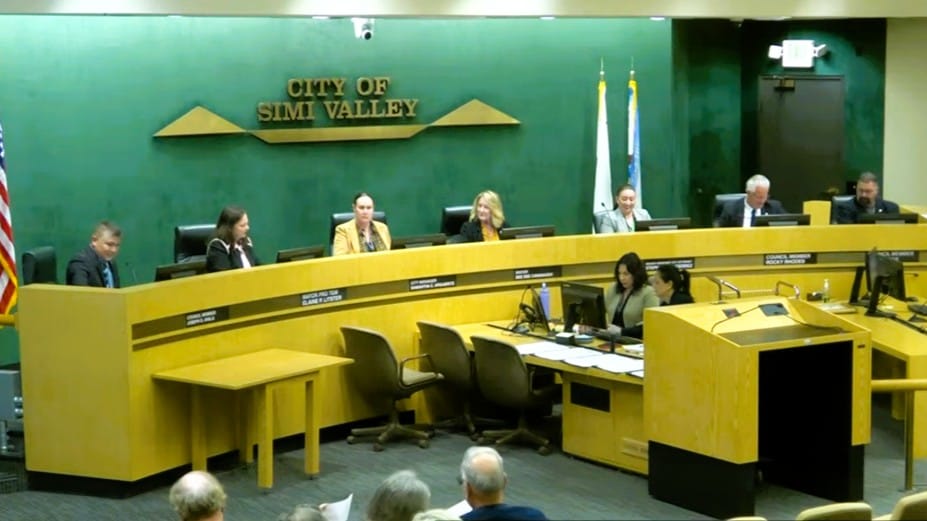
Unlike some of its neighboring small cities, Simi Valley elects its mayor directly, rather than rotating the position among sitting council members each year, a common practice in many California municipalities. That means the mayor's race is decided citywide, and candidates may live in any of the four council districts. City Council candidates, by contrast, must reside in and be registered voters of the specific district they hope to represent. Residents can check which district they live in at simivalley.org/findyourdistrict.
As of June 16, four candidates have filed campaign disclosures for mayor: Mike Judge, Robert Clarizio, Dee Dee Cavanaugh and Kareem O. Jubran. In District 1, filings have come from Anthony Q. Thompson, incumbent Joseph D. Ayala, Jill Abele and Todd A. Taylor. District 2 has drawn Richard M. Perini and Samuel D. Cohen. District 4 has the largest field so far, with Rockne D. Rhodes, Scott Juceam, Natalie Ivana Christmann, Joshua Gray and Debra K. Dickerson all filing paperwork.
For residents weighing a run, council membership comes with real authority over the issues that shape daily life in Simi Valley. Council members set the municipal budget, weigh in on local land use and development decisions, including projects like the Lost Canyons development currently working through the planning process, though the city's discretion is increasingly bound by state housing mandates that limit how much local control it actually has. Beyond development, the council oversees police and fire services, sets local ordinances, and serves as the final word on appeals from city commissions. It is a part time position that nonetheless requires a serious commitment of time, particularly during budget season and when major policy matters come before the council.
Those interested in running can pick up nomination papers from the City Clerk during the official nomination period, which opens Monday, July 13, and closes Friday, August 7. If an incumbent decides not to seek re-election, the window for that specific seat extends to Wednesday, August 12, giving voters more time to put forward alternative candidates.
Candidates for mayor must be registered voters residing in Simi Valley at the time nomination papers are issued, and may live anywhere in the city. Council candidates must reside in and be registered voters of the district they seek to represent.
The City Clerk's office, open weekdays from 8 a.m. to 1 p.m. and 2 p.m. to 5 p.m., can be reached at (805) 583-6813 to schedule an appointment and pick up nomination papers.
The filing window is brief, just a few weeks this summer, but it is the only door into a seat that shapes everything from how fast a neighborhood grows to who responds when something goes wrong. For residents who have opinions about where Simi Valley is headed, the next month and a half is the window to decide if those opinions belong on a ballot.