The Trades Are About to Get Rich. Will Simi Valley High-Schoolers Grab Their Share of the Data Center Gold Rush?
(CLAIR | Simi Valley, CA) — A union electrician from Ventura County who is willing to travel to Texas can earn more in a single year working data center projects than most college graduates make in their first three. That is not a projection. That is the wage environment right now, today, in the largest American construction boom since the interstate highway system.

The numbers driving this boom are difficult to absorb. The International Energy Agency projects that by 2030, U.S. data centers will use more electricity than every steel mill, aluminum plant, and chemical plant in this country combined. Half of all new American electricity demand this decade is going toward one purpose: training and running artificial intelligence.
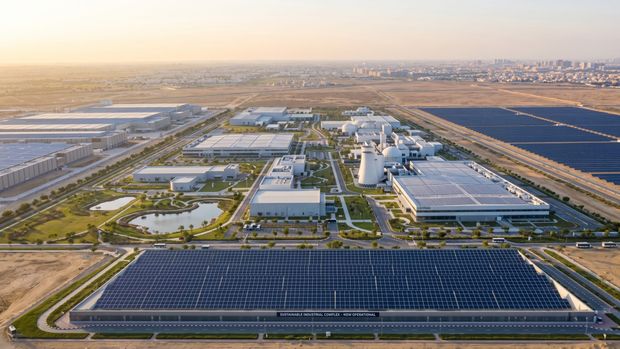
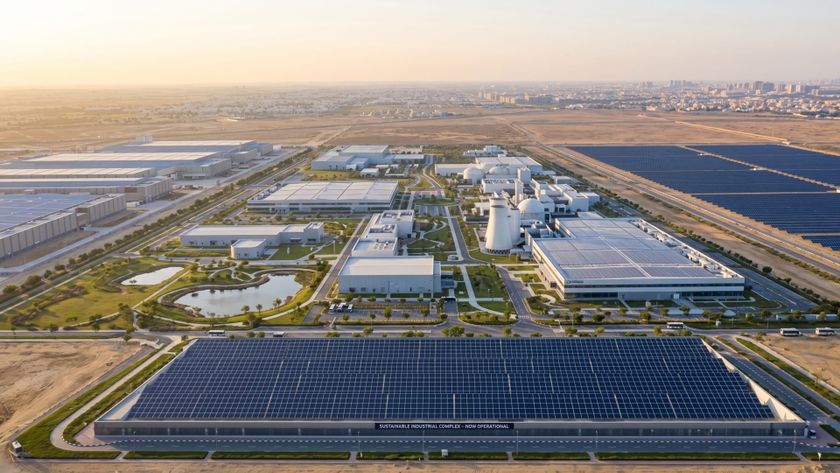
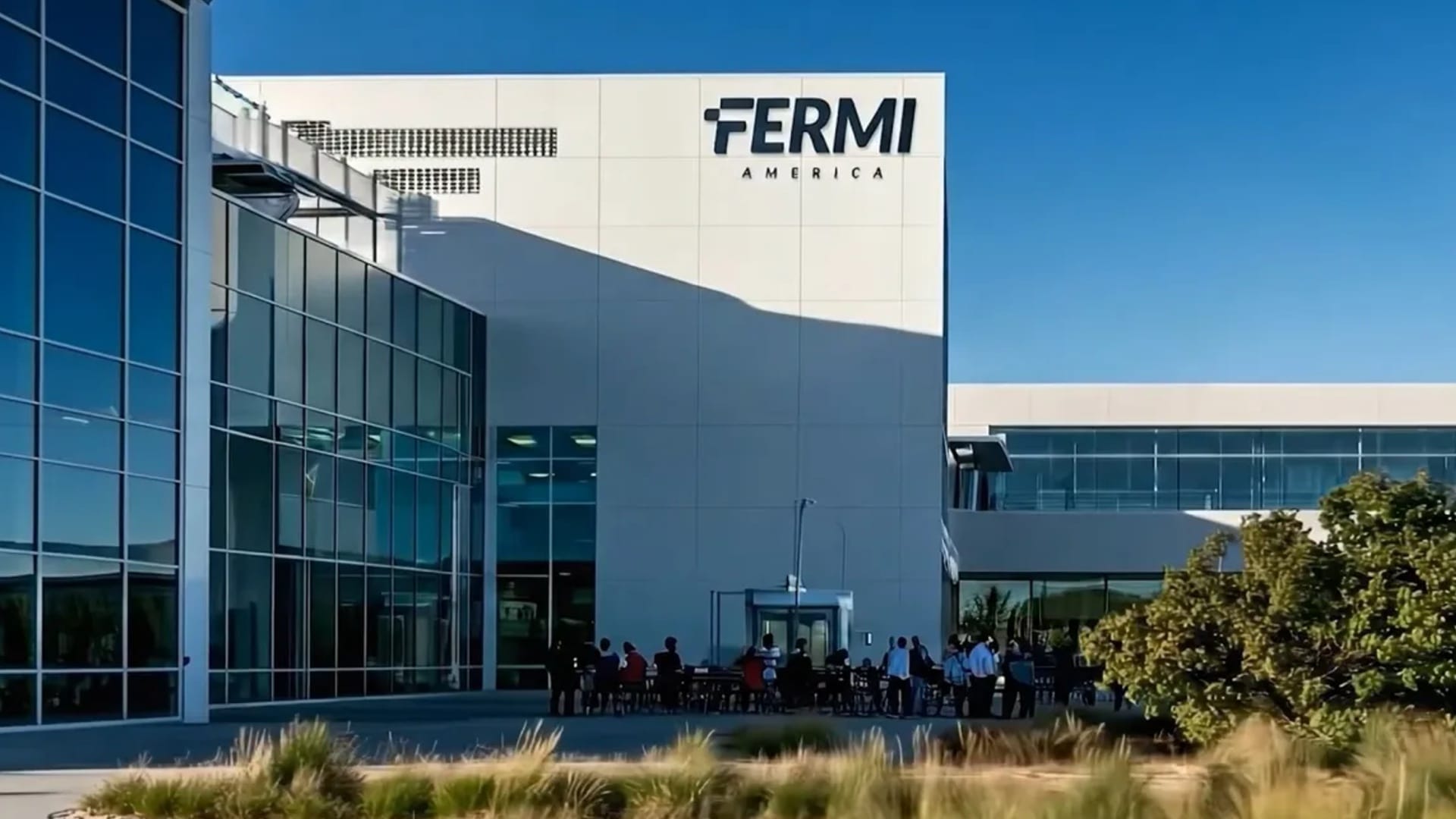
Meta is building a single facility in Louisiana called Hyperion that Mark Zuckerberg said will cover a significant part of the footprint of Manhattan. OpenAI's Stargate campus in Abilene, Texas, runs five to six thousand construction workers on site every day, in three shifts, around the clock. Amazon is building a campus in Indiana for Anthropic that will total 6.9 million square feet, two and a half times the floorspace of the Empire State Building. In the Texas Panhandle, a company called Fermi America has filed permits for a project called Matador that aims to deliver 17 gigawatts of power across 18 million square feet, which would make it the largest data center on earth if it is built.
The American Edge Project tracks 2,788 data centers currently announced or under construction across the United States. That pipeline is projected to create 4.7 million temporary construction jobs over the next several years. The trades that build these facilities are the workforce every major technology company in America is now competing for, and that workforce has not grown nearly fast enough to keep up.
Electricians are the most acute shortage. A single one-gigawatt data center requires an estimated 1,500 to 2,000 electricians at peak buildout. With more than 70 gigawatt-scale projects in motion nationally, contractors cannot find enough certified workers no matter what they pay. Industry reporting indicates that the electricians union local serving the data center corridor in Northern Virginia doubled its membership between 2018 and 2026, reaching 14,700 workers. Union halls across the data center belt are now booked through 2027 with overtime pay running 30 to 50 percent above standard rates.
Pipefitters, plumbers, welders, and HVAC technicians are facing the same wall. The newest AI campuses use closed-loop liquid cooling systems that require certified process piping installers, a specialty previously concentrated in pharmaceutical and oil and gas work. Wages in that niche have jumped more than 40 percent in two years. Welders with the right certifications are receiving signing bonuses in the tens of thousands of dollars on Texas and Louisiana projects, with contractors flying crews in from out of state and housing them in temporary camps.
The wages have decoupled from regional averages. A union pipefitter working a data center project in rural Louisiana can earn 50 to 75 dollars an hour plus tax-free per diem of 150 to 200 dollars a day. Specialty welders with the right certifications can clear 200,000 dollars in a single year. Nuclear-qualified tradespeople, in demand again as major tech companies sign power purchase agreements with nuclear plants, are earning between 150,000 and 250,000 dollars annually. These are working-class wages that now exceed what most four-year college graduates earn a decade into their careers.
The bottleneck is the trades pipeline itself. Most skilled trades require three to five year apprenticeships. The data center demand curve is 18 to 36 months. The math does not work, which is why contractors are recruiting internationally, why union locals are reporting members traveling for six and twelve month assignments at premium pay, and why training centers across the country have waiting lists for the first time in a generation.
This is where Simi Valley enters the story.
Ventura County is home to roughly 4,000 working tradespeople served by a full network of union locals covering electricians, pipefitters, plumbers, sheet metal workers, laborers, and carpenters. The Coastal Tri-Counties Pre-Apprenticeship Program offers no-cost trades training across the region with stipends for participants. The Workforce Development Board of Ventura County runs America's Job Centers in Simi Valley and most other cities in the county. The Simi Institute for Careers and Education offers hands-on welding, carpentry, and machine technology programs, with welding currently carrying a waitlist of 18 to 24 months.
The infrastructure to train this workforce already exists in Simi Valley. What does not yet exist, in any visible way, is the connection between what local families know about trades careers and what the national economy is actually paying for those careers right now. A young person who enters a Ventura County apprenticeship today, completes it in three to five years, and pursues mission-critical certifications can be working on six-figure data center projects across the Southwest by their late twenties. Many existing tradespeople in the county can begin pursuing that work immediately by adding specialty certifications through their union locals.
California itself is largely sitting this construction boom out. The California Energy Commission reports that data center developers have requested 18.7 gigawatts of service capacity statewide, more than enough to power every household in California, but grid constraints are sending most new projects to other states. A September 2025 Stanford report warned that California risks losing property tax revenue, union construction jobs, and artificial intelligence talent if this trend continues. For Ventura County, with its combination of expensive power, water scarcity, strict permitting, and high land costs, hosting a hyperscale data center is not realistic in the near term.
What is realistic is supplying the people who build them. The mobility play is the actual opportunity. California-based contractors are already operating crews in out-of-state markets. Union locals in Ventura County have reciprocal agreements that allow members to take six to twelve month assignments at premium pay and return home. For a journeyman electrician or pipefitter in Simi Valley, the choice over the next five years is not whether the work exists. The choice is whether to travel for it.
The data center boom may not be coming to Ventura County in any significant way. However, the wealth it generates surely can.