
(CLAIR | Simi Valley) – California legalized something most neighborhoods did not ask for. Six years later, eighteen counties have approved it. Others are still deciding. And in Ventura County, that decision is more complicated than it appears.
Assembly Bill 626 became law in 2018. It created a new category of food business called Microenterprise Home Kitchen Operations, or MEHKOs. These are restaurants operating from residential homes. The law took effect in 2019, but counties had to opt in. Each jurisdiction could choose whether to allow them. Some did. Some did not. And some are still weighing the decision.
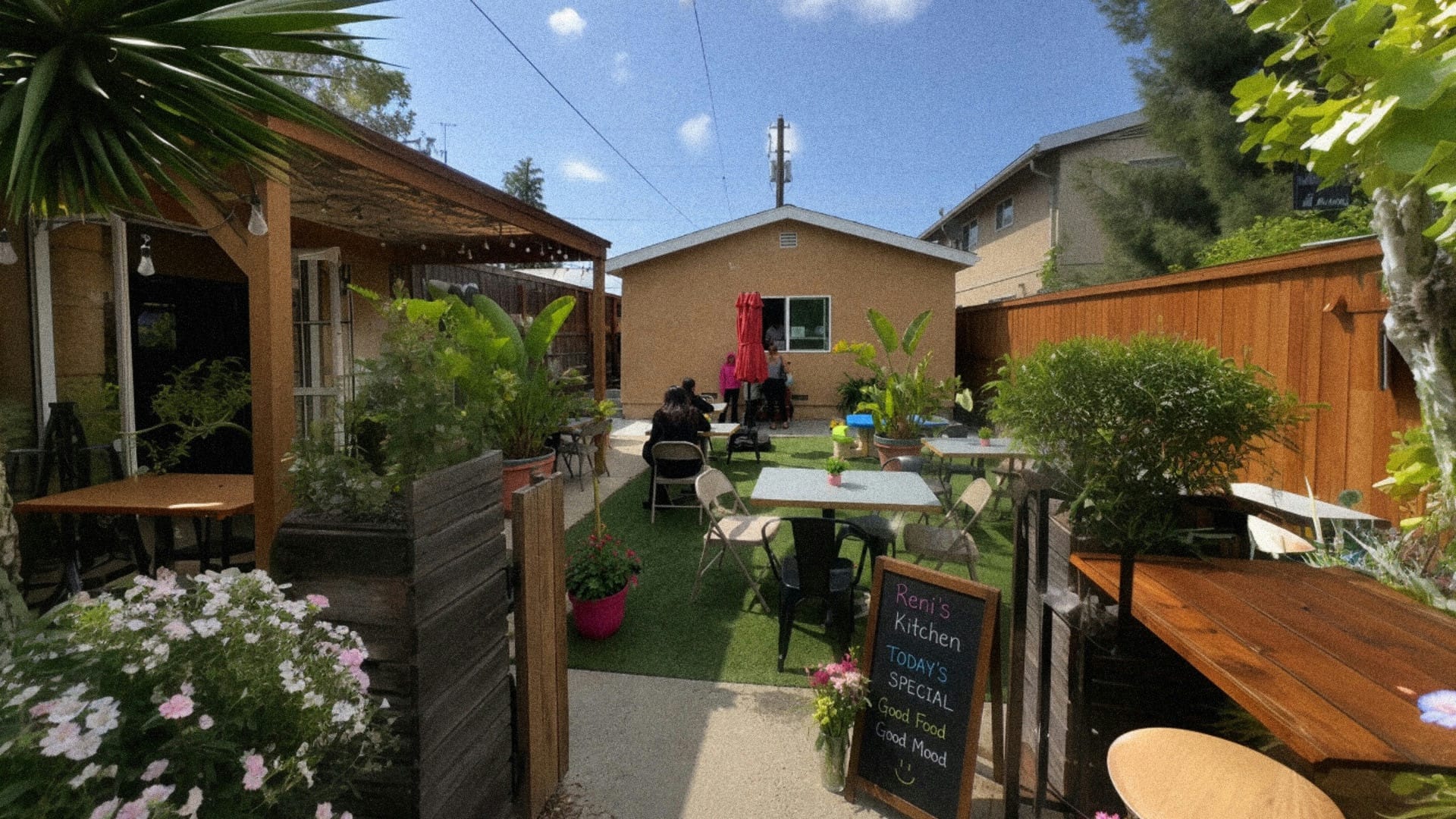
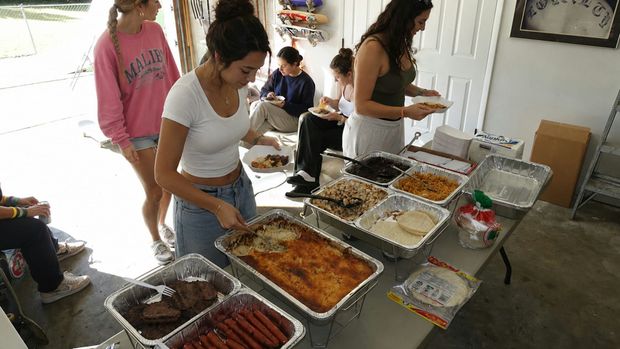
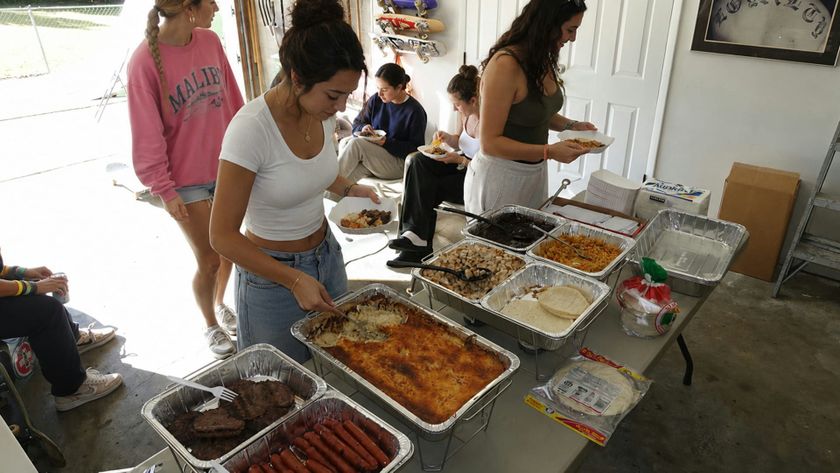
What does an MEHKO actually look like? An operator prepares and serves hot meals from their home. They can serve thirty meals per day maximum. One employee maximum. Everything must be prepared and served the same day. Customers eat in the home or pick up food. No delivery through third-party apps. The operator gets an annual inspection and must hold food safety certification. Revenue is capped at $100,000 per year, adjusted for inflation.
Eighteen California counties have now approved these operations. Los Angeles County issued more than 280 permits by May 2026. Riverside County was first, in 2019. Santa Barbara followed. Kern County approved in 2025. The list keeps growing, each approval opening the door to more home-based food businesses operating in residential neighborhoods.
But some cities have fought this expansion. Elk Grove's city council voted unanimously against MEHKOs in 2026. Sonoma's city council voted 4-0 against them. Placerville drafted opposition letters. Their concerns were the same: residential streets handling customer traffic, parking on roads not designed for commercial use, grease entering sewage systems, water pipes strained by commercial cooking. These were not abstract worries. They were specific, documented concerns about infrastructure and neighborhood character.
The cities lost. State law says that once a county authorizes MEHKOs, cities cannot use zoning to refuse them. They retain limited authority. They can enforce noise ordinances. They can respond to parking violations. They can address public nuisance complaints. But they cannot prevent an MEHKO from opening based on zoning. They can only respond after problems arise, if someone complains loud enough to trigger enforcement.
This creates a fundamental question: What happens after it starts? Are the predicted problems real or theoretical? Do neighbors actually complain? Does enforcement actually work? The operations are too new. The data is too limited. Nobody has clear answers yet.
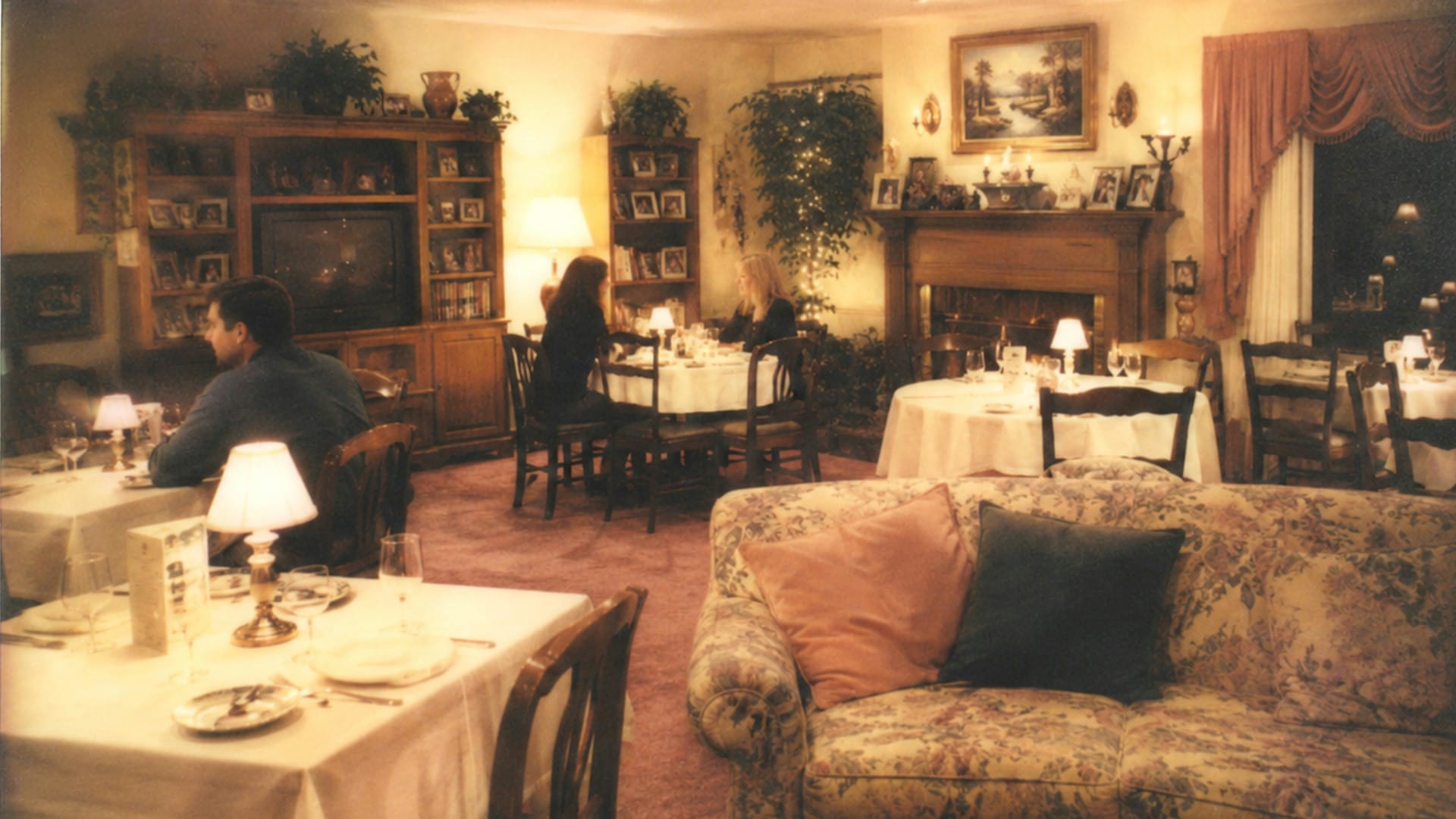
Other states are watching what California has done. A Florida bill allows home food businesses to generate $250,000 in annual sales with no permits, no inspections, no state registration. Washington is considering a statewide MEHKO program. Minnesota has legislation in committee. Utah legalized MEHKOs statewide in 2021. The model is spreading, and each state is deciding how much regulation to include or remove.
Ventura County has not approved MEHKOs as of June 2026. But the county is under pressure to reconsider. A group called Ventura County MEHKO Champions has been organizing to change that position. They created a sign-on letter and asked residents and businesses to add their names. They are pushing the Board of Supervisors to revisit the decision.
The Board made a statement in December 2023: they would not reconsider MEHKO adoption for at least a year. That waiting period has long passed. What happens next remains unclear.
Simi Valley and other local cities have historically opposed MEHKOs. They do not want home restaurants in residential neighborhoods. But if Ventura County ever approved an ordinance, these cities will have almost no power to refuse. State law strips zoning authority from cities once counties opt in. Simi Valley cannot use local zoning to prevent MEHKOs from opening. The decision becomes a county matter, not a local one.
Ventura County's Environmental Health Division currently does not authorize MEHKOs. The county has passed no ordinance. The division cannot accept applications. Food businesses remain restricted to shelf-stable items only. No hot meals. No meat. No home restaurants.
But that could change. And if it does, stopping it will be almost impossible.
A decision on residential restaurants is coming. Whether next month or next year, at some point, Ventura County will have to choose.