
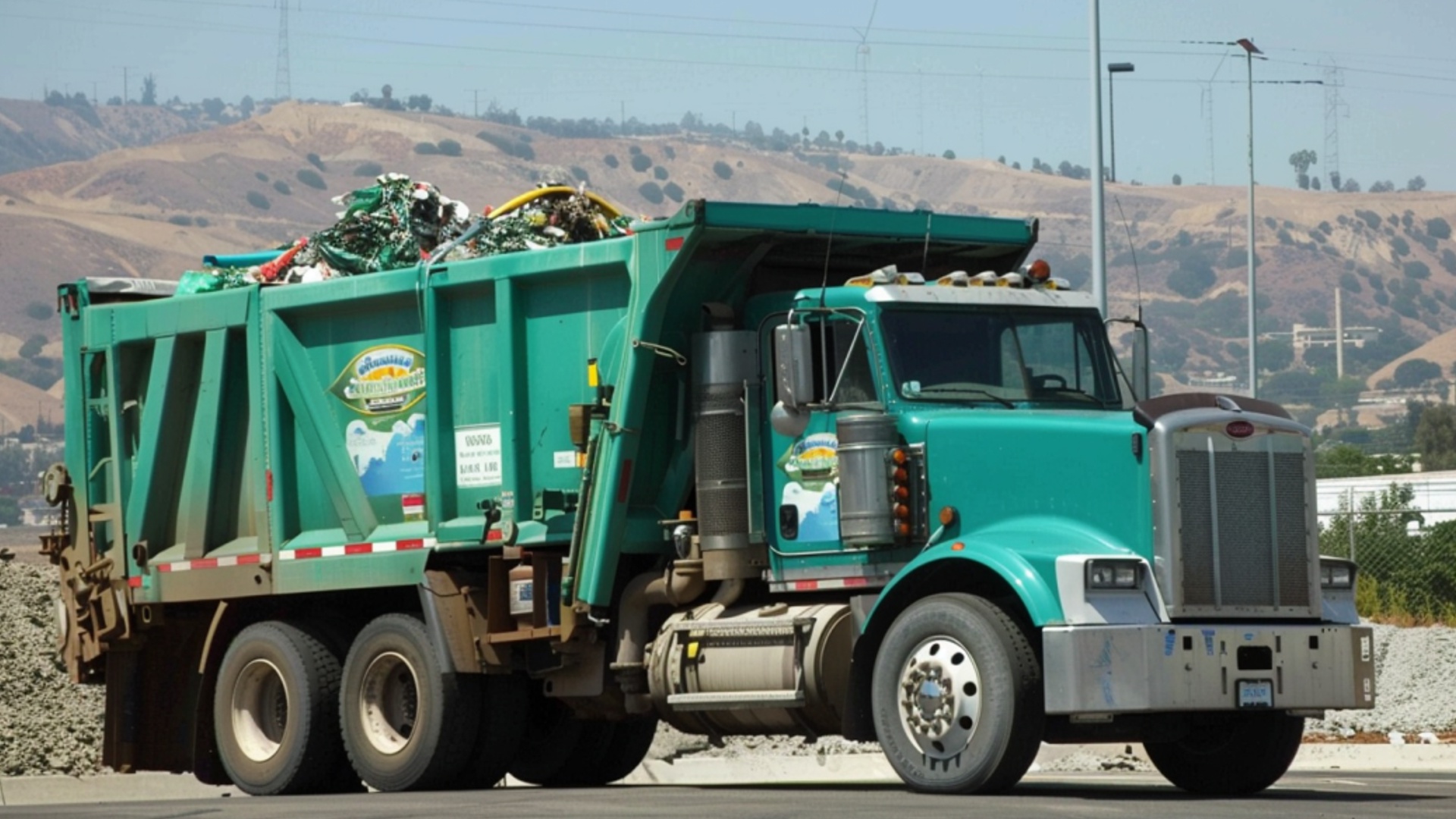
(CLAIR | Simi Valley, CA) – A growing number of local residents are voicing concerns about debris from the recent Eaton Fire being transported to the Simi Valley Landfill. Some fear that hazardous materials could pose health risks, while others believe the process is safe and well-regulated. The controversy has led to discussions on social media, at local meetings, and in conversations with city officials.

So, what exactly is happening at the landfill? And should residents be worried?
Understanding the Process: What’s Being Dumped at the Simi Valley Landfill?
Waste Management, which operates the Simi Valley Landfill & Recycling Center, has addressed concerns by emphasizing that the landfill is a non-hazardous waste facility. This means it cannot accept hazardous materials such as asbestos, lead, or chemical waste.
Before fire debris is transported to the landfill, it undergoes a strict two-phase cleanup process:
Phase 1: The U.S. Environmental Protection Agency (EPA) and Army Corps of Engineers assess fire-damaged areas, removing all hazardous materials like batteries, paint, and asbestos-containing debris.
Phase 2: Only after the hazardous waste is removed can non-hazardous ash, concrete, wood, and other debris be transported to designated landfills, including Simi Valley, Azusa, and other locations.
“All materials arriving at the landfill undergo a rigorous verification process to ensure they meet non-hazardous criteria,” Waste Management said in a statement. “The Simi Valley Landfill has long supported communities after natural disasters, ensuring a safe and environmentally responsible disposal process.”
But despite these assurances, some residents remain unconvinced.
Rocketdyne’s Shadow Looms Over Simi Valley’s Waste History
For some in Simi Valley, concerns about hazardous waste are deeply tied to the legacy of Rocketdyne, a former aerospace and nuclear testing facility in the Santa Susana Mountains. The site, officially known as the Santa Susana Field Laboratory (SSFL), experienced a partial nuclear meltdown in 1959, releasing radioactive contamination into the surrounding area.
The SSFL site remains one of California’s most controversial cleanup locations, with ongoing debates over soil and groundwater contamination. For some longtime residents, the idea of bringing any fire debris—even if classified as “non-hazardous”—to Simi Valley is simply too close for comfort.
Many have expressed concern that the city already has a history of toxic exposure risks, and allowing additional debris to be dumped in Simi Valley raises more questions about airborne pollutants and long-term contamination.
What Are Residents Saying?
The topic has sparked heated discussions online, particularly on community forums, where posts about the landfill have received significant engagement. Some residents have expressed frustration over what they see as a lack of transparency from officials.
One concerned individual recently posted online after hearing a report on the radio: “I called the city for answers and got no response. Has anyone else heard about this? This is very scary!!”
Another resident raised concerns about the potential for wind to carry airborne ash from the landfill: “This debris will be flying everywhere! I bet the workers handling it will be in full PPE gear while we just breathe it in.”
Others have pushed back against the fear, arguing that the cleanup process is well-regulated and that fire debris is being properly sorted.
A construction industry professional commented: “I work in the building industry. Waste disposal is highly regulated. Lead and asbestos are removed first. People need to stop spreading irrational fear.”
Another resident added: “The landfill doesn’t just dump the debris in an open field. It’s buried under engineered layers, preventing exposure.”
Despite these assurances, many in the community remain skeptical. Some are calling for a formal protest, while others are urging local officials to demand more oversight and transparency.
City officials acknowledge the concerns raised by residents but emphasize strict precautions are in place to ensure safety and compliance with environmental regulations.
Some in the community, however, are demanding more proactive action from local representatives.
One resident suggested that city officials should be doing more: “If Simi Valley doesn’t have a say, then our local leaders should be pressuring the county and state to reject this. Los Angeles County should deal with its own waste.”
For those wanting to stay informed, consider the following:
- Attend Local Meetings – Neighborhood Council meetings have become a key forum for discussion, with residents raising concerns about air quality, health risks, and landfill safety. Future meetings will likely continue addressing these topics.
- Stay Updated on Regulations – Understanding how fire debris is processed and monitored can help residents make informed decisions. Checking updates from the EPA, Ventura County officials, and Waste Management can provide clarity on the situation.
- Engage with Local Officials – Reaching out to city and county representatives ensures community voices are heard. Asking for increased transparency or additional safety measures can influence future decisions.
- Follow Environmental Reports – Tracking data on air quality and landfill monitoring can help assess any potential risks. Local environmental groups may also provide independent analysis.
- Share Concerns with the Community – Open discussions through local forums, social media, or town hall meetings can keep the issue visible and encourage collective action.
As new developments emerge, staying engaged will be key to ensuring that Simi Valley’s concerns are addressed. For those seeking more information on landfill regulations, visit the Simi Valley Landfill & Recycling Center website or attend the next City Council or Neighborhood Council meeting.




